Choosing the right Formaldehyde Emission Test Chamber is crucial for accurate testing and compliance. According to Dr. Emily Carter, a leading expert in environmental safety, “A proper chamber ensures reliable results, which are essential for public health.” This statement underscores the importance of selecting a chamber that meets specific standards and requirements.
When considering a Formaldehyde Emission Test Chamber, it’s vital to evaluate its design and functionality. The chamber must be equipped to accurately measure emissions under various conditions. Look for features such as controlled temperature and humidity levels, as they greatly influence testing outcomes. Quality construction materials also play a role in reliability and longevity.
However, the process of selecting the best chamber can be daunting. There are many brands and models on the market. Each offers different capabilities and specifications. It's essential to do thorough research and perhaps consult with experts in the field. This decision can impact testing accuracy, which has far-reaching implications for product safety and regulatory compliance. Regularly revisiting your choice helps ensure your testing remains relevant.
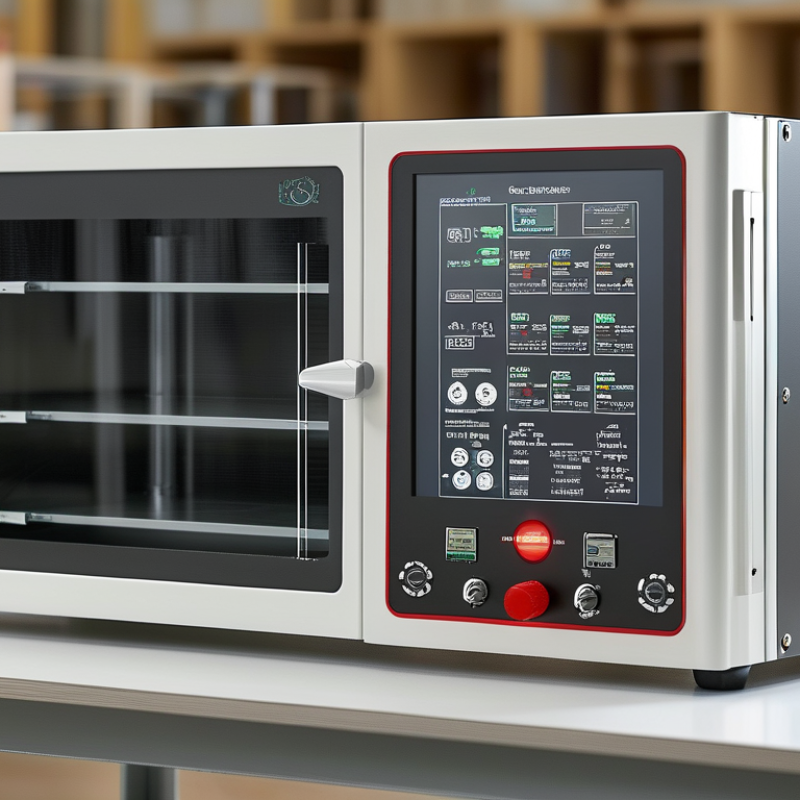
When selecting a formaldehyde emission test chamber, several critical factors come into play. Precision is key. You need equipment that provides accurate measurements for reliable results. Check the chamber's calibration capabilities. Regular calibration ensures consistent performance, which is essential for valid testing.
Temperature and humidity control are also vital. Fluctuations can affect emission readings. Look for chambers with robust climate control features. This ensures that tests reflect real-world conditions. Additionally, consider the chamber's size and sampling capacity. A spacious chamber allows for larger samples, leading to better detection and analysis.
Lastly, assess user-friendliness. Understand the software interface and data reporting options. Complex systems can lead to errors in interpretation. Training might also be necessary. Keeping the device maintained is equally important. Regular maintenance checks can prevent unexpected issues. By reflecting on these factors, you can make a more informed choice.
When selecting a formaldehyde emission test chamber, it’s essential to understand the various types available. One common type is the dynamic chamber. These chambers mimic real-life conditions. They provide results that reflect actual emissions over time. Testing with a dynamic chamber can yield insights into how materials perform in an indoor environment.
Another type is the static chamber. Static chambers are simpler and often more cost-effective. They are usually used for short-term tests. While they provide reliable data, the results may not fully represent long-term exposure. Testing methodology varies between these two types, which can lead to different emission levels detected during assessments.
It's also important to consider the chamber's size and capacity. Smaller chambers may be suitable for limited samples, but they can restrict extensive testing. Larger chambers allow for more comprehensive studies but may require more resources. Investigating the ease of operation and maintenance is equally crucial. Some users report challenges in calibrating equipment. It’s vital to assess your testing needs carefully to choose the right chamber. Making the right choice can significantly impact the accuracy of formaldehyde emission results.
When selecting a formaldehyde emission test chamber, accuracy is crucial. Key features significantly influence results. Opt for chambers meeting strict international standards, such as ASTM D6007. This ensures consistent and reliable emissions data.
Temperature and humidity control are fundamental factors. A stable environment reduces variability. Significant fluctuations can lead to skewed results. Testing should occur within specified conditions, ideally around 23°C and 50% relative humidity. According to industry reports, improper control can lead to measurement errors exceeding 20%. This risks non-compliance with regulatory limits for formaldehyde emissions.
Another essential aspect is the chamber's air circulation system. Efficient airflow ensures uniform distribution of contaminants. Poor airflow may cause local concentration gradients, affecting accuracy. Additionally, calibration and maintenance records are vital. Data from credible sources indicate that regular calibrations can enhance reliability by up to 30%. Choose a chamber with straightforward maintenance protocols to ensure consistent performance over time.
When budgeting for a formaldehyde emission test chamber, it's essential to consider various factors. The initial cost is just one aspect. You must account for installation, maintenance, and operational expenses. A chamber that appears affordable upfront may result in higher long-term costs due to energy inefficiency or frequent repairs.
Tip: Assess the total cost of ownership. Calculate both the purchase price and expected operational costs over time. This approach reveals the true value of your investment.
Another element to factor in is the testing capacity. Consider the volume of samples you will be testing. A chamber that is too small may lead to delays and increased costs over time. Customization options can also impact budget considerations. Assess whether you need additional features or specialized configurations.
Tip: Always prioritize your requirements. Identify the must-have features versus nice-to-haves. This process helps keep your budget focused.
Lastly, seek expert advice. Consulting with professionals can provide insight into what chambers fit your needs without overspending. Remember that this decision impacts your testing reliability and compliance with safety standards. Reflecting on your requirements and being informed can lead to a smarter purchase.
When selecting a formaldehyde emission test chamber, proper maintenance and calibration are crucial. Regular checks can improve both accuracy and reliability. According to the National Institute of Standards and Technology, a poorly calibrated chamber can lead to errors of up to 15%. Routine maintenance should include verifying temperature and humidity controls, as fluctuating conditions can impact test results significantly.
Calibrating the chamber involves setting up reference standards. For instance, using certified formaldehyde sources ensures correct readings. Industry standards recommend recalibration every six months. This helps maintain the integrity of test results. However, meticulous maintenance can sometimes be overlooked. Technicians may prioritize daily operations over checks, risking compromised data.
It's also essential to inspect the chamber's seals and connections regularly. This step prevents leaks or unintended emissions. Research shows that even minor leaks can alter concentration levels. A study by the International Organization for Standardization noted that less than 5% of test chambers met ideal leakage standards. Addressing these challenges enhances the overall reliability of formaldehyde testing outcomes.
: Precision is essential. Look for accurate measurements and reliable calibration capabilities.
Fluctuations in these conditions can affect emission readings and skew results significantly.
A larger chamber allows for bigger samples, improving detection and analysis quality.
Understand the software interface well. Complex systems can lead to misinterpretation of data.
Factor in initial costs, installation, maintenance, and operational expenses for accurate budgeting.
Regular calibration prevents errors. Some poorly calibrated chambers can lead to inaccuracies of up to 15%.
Regular temperature checks and inspecting seals can prevent leaks, improving test accuracy.
It is recommended to recalibrate every six months to maintain test result integrity.
Experts can help identify the right chambers for your needs and budget without overspending.
Overlooking maintenance may lead to compromised data and unreliable testing outcomes.
When selecting a Formaldehyde Emission Test Chamber, several key factors must be considered to ensure accurate and reliable measurements. These include understanding the different types of chambers available in the market, the critical features that guarantee precision, and budgeting for the purchase. It's essential to focus on aspects like chamber capacity, control mechanisms, and temperature regulation, as these impact the testing outcomes.
Additionally, regular maintenance and calibration of the Formaldehyde Emission Test Chamber are vital for long-term performance. Proper upkeep not only enhances measurement accuracy but also extends the lifespan of the equipment. By taking these factors into account, users can make informed decisions that align with their specific testing needs and ensure compliance with relevant standards in formaldehyde testing.

Huanyi