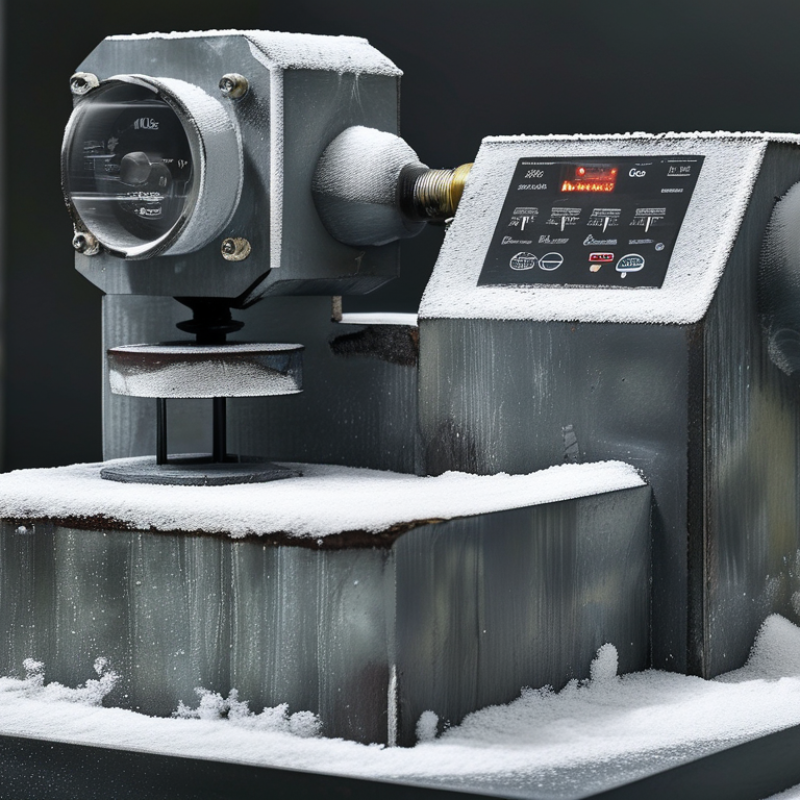
A Salt Spray Tester is an essential tool used in materials testing. It evaluates the corrosion resistance of coatings and materials. This equipment helps manufacturers ensure product longevity by simulating harsh environments.
In this challenging landscape, every detail matters. This type of tester subjects samples to a saline mist at controlled temperatures. Observing how materials react to this environment provides valuable insights. Results from a Salt Spray Tester indicate potential failures in coatings.
While effective, the testing process isn't foolproof. Some variables can affect results, leading to potential misinterpretations. It’s crucial to analyze findings carefully, considering factors like sample preparation and solution concentration. A comprehensive understanding fosters reliable results and enhances quality assurance in manufacturing.
What is a Salt Spray Tester?
A salt spray tester is an essential device used in the field of corrosion testing. Its primary purpose is to evaluate how materials, particularly metals, resist saltwater exposure. This is crucial for industries like automotive and aerospace, where materials face harsh environments. The tester simulates marine conditions to predict how long a surface can withstand corrosion before visible damage appears.
The working principle of a salt spray tester involves creating a controlled environment. The device generates a fine mist of saline solution that coats the test samples. This mist mimics the conditions found in coastal areas. Over time, testers observe the samples for signs of corrosion, such as rust spots or surface degradation. This process helps manufacturers assess the quality and durability of their products, while also highlighting potential areas for improvement.
While salt spray testing provides valuable insights, it is not without limitations. The results can vary based on the specific conditions set during the test. Different materials may respond differently, leading to ambiguous interpretations. It's essential to consider these factors when using the test results to make real-world predictions about material performance. Understanding these nuances can enhance the reliability of testing outcomes.
Principles of Salt Spray Testing Methodology
Salt spray testing is essential for evaluating the corrosion resistance of materials. The methodology involves exposing samples to a saline environment in a controlled setting. This process simulates harsh weather conditions that materials may face in real-world applications. By using a salt spray tester, engineers can measure how well coatings protect metals from corrosion.
During testing, samples are placed in a chamber that generates a saline mist. The presence of salt increases the corrosive effects on the materials. The duration of exposure varies based on the standards being followed. Observers regularly check the samples for signs of corrosion, such as rust formation and blistering. This data provides valuable insights into the longevity and durability of protective coatings.
While the salt spray test is a widely accepted method, it does come with limitations. It does not fully replicate real environmental conditions. Factors such as humidity and temperature also play significant roles in corrosion. Therefore, while it remains a useful tool, results should be interpreted with caution. Engineers must consider additional tests for a comprehensive understanding of material performance.
Components and Design of Salt Spray Test Chambers
The salt spray test chamber is a vital component in testing the durability of materials. These chambers simulate corrosive environments, primarily using a salt-water solution. The design typically includes a spray nozzle, a heating element, and a collection tank. The nozzle atomizes the salt solution, creating a fine mist that envelops the test specimens. This mist interacts with the materials, allowing for the assessment of corrosion resistance.
Effective chamber design is crucial for reliable results. Chambers must maintain specific temperature and humidity levels to ensure consistent testing conditions. The materials used in chamber construction should resist corrosion themselves, to avoid contamination of results. While many designs adhere to industry standards, variations exist. Some chambers may not adequately control environmental factors, leading to unreliable data. Recognizing these imperfections can lead to better designs and improved testing methods.
Understanding the components and design principles helps manufacturers choose or develop better testing solutions. Countless variations in design and performance exist, and companies must assess their needs critically. The effectiveness of a salt spray tester relies heavily on its configuration and operational guidelines, making informed choices essential for accurate assessments.
Applications and Industries Utilizing Salt Spray Testing
Salt spray testing is crucial in various industries. It evaluates the corrosion resistance of materials and coatings. Many sectors, including automotive, aerospace, and marine, rely on these tests to ensure product longevity. Salt spray tests help manufacturers identify weaknesses in their corrosion protection strategies.
In the automotive industry, parts are exposed to harsh conditions. Corrosion can lead to safety issues and increased maintenance costs. Testing ensures components can withstand salt exposure from roads and environments. Aerospace applications also benefit, as aircraft parts require high durability during flights, often in corrosive atmospheres.
Manufacturers in the marine sector prioritize salt spray testing due to constant exposure to saltwater. Products need to resist corrosion to maintain functionality and safety. While testing provides valuable data, it can sometimes overlook real-world conditions. Understanding these limitations is essential for better product design. Continuous improvements in testing methods are vital for accurate assessments.
Interpreting Results and Assessing Corrosion Resistance
Understanding the results of a salt spray test is crucial for assessing the corrosion resistance of materials. This test simulates harsh environmental conditions, exposing samples to saline mist. The data gathered from these tests provides insights into how well materials can withstand long-term exposure to corrosive environments. For instance, ASTM B117 outlines procedures for conducting these tests, which can sometimes reveal how coatings perform over extended periods.
Corrosion resistance is often quantified by measuring the time it takes for rust to appear. According to industry reports, materials can exhibit varying degrees of resistance, ranging from minutes to several thousand hours in salt spray conditions. For example, zinc-coated steel may last over 2,000 hours, while some aluminum alloys show significant corrosion after only a few hundred hours. Such discrepancies highlight the importance of choosing the right materials based on the anticipated exposure.
While results from salt spray tests are pivotal, they aren't infallible. Factors like sample preparation and test conditions can impact outcomes. As more industries adopt these tests, understanding their limitations is essential. Analyzing these factors ensures that the data obtained leads to more robust material selections, ultimately increasing product longevity and performance.
FAQS
: It evaluates how materials resist saltwater exposure, crucial for industries facing harsh environments.
It generates a fine mist of saline solution to coat test samples, simulating marine conditions.
They assess product quality and durability, identifying areas for potential improvement.
Observers check for rust spots and surface degradation during the testing process.
No, results can vary based on testing conditions and material types, leading to ambiguous interpretations.
Humidity and temperature significantly influence corrosion, so engineers should interpret results with caution.
The exposure duration varies based on the specific standards being followed.
It does not fully replicate real-world environmental conditions and should be combined with additional tests.
The salt increases the corrosive effects on materials, enhancing the testing process.
No, different materials respond differently, which is important when interpreting results.
Conclusion
A Salt Spray Tester is a specialized device used to evaluate the corrosion resistance of materials and coatings by simulating harsh environmental conditions. The testing methodology involves exposing samples to a saline mist, which accelerates the rusting process and helps assess the durability of the tested materials. This evaluation is critical for industries such as automotive, aerospace, and construction, where corrosion can significantly impact safety and performance.
The design of Salt Spray Test Chambers typically includes a controlled environment that maintains specific temperature and humidity levels, ensuring consistent testing conditions. Interpreting the results from these tests allows manufacturers to make informed decisions about material selection and coating applications, ultimately enhancing product longevity and reliability. Through these processes, the Salt Spray Tester plays a vital role in quality control and research and development in various sectors.

 Huanyi