China’s battery industry has expanded rapidly, and its testing equipment sector has grown alongside it. This article introduces ten leading Chinese Battery Test Chamber manufacturers for battery cells, modules, packs, and energy-storage systems. The selection considers technical capability, manufacturing experience, calibration practices, safety design, after-sales support, and international project experience.
A reliable chamber must do more than produce hot or cold air. It should maintain stable temperature and humidity, support rapid cycling, protect operators, and record test data accurately. Some systems also integrate charging and discharging equipment, fire suppression, gas detection, and remote monitoring. In a working laboratory, small details matter: door sealing, sensor placement, cable routing, and recovery time after opening the chamber. These details can influence test repeatability.
Battery researcher Dr. Jeff Dahn has remarked, “The battery is the most complex device in the universe.” That observation explains why chamber selection cannot depend on price alone. Manufacturers should demonstrate traceable calibration, clear technical documentation, and experience with relevant testing requirements, including thermal abuse and environmental cycling. Buyers should also verify factory references instead of trusting attractive brochures.
No ranking is permanently correct. Supplier capabilities change, public information can be incomplete, and one manufacturer may suit automotive testing better than another. This guide therefore treats the top ten as a practical market comparison, not an absolute judgment. Some weaknesses may remain hidden until installation, commissioning, or long-duration operation. Careful evaluation is still necessary.
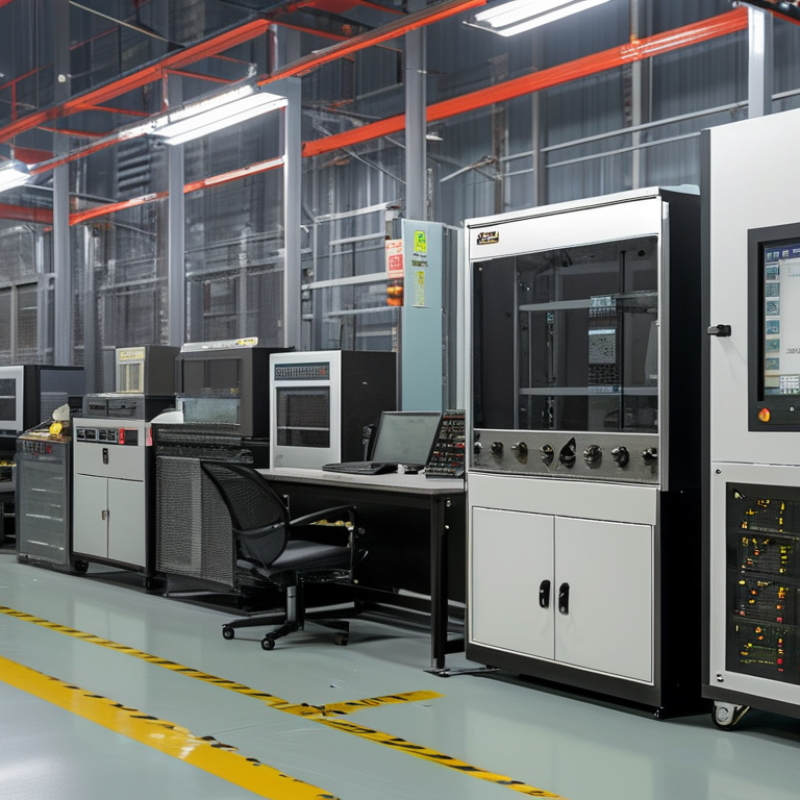
Battery test chambers are controlled enclosures used to examine how cells, modules, and packs perform under changing environmental conditions. They regulate temperature, humidity, and sometimes pressure with calibrated sensors. A chamber can recreate a cold morning, a hot vehicle cabin, or repeated temperature cycles.
A chamber is not merely an oven. During testing, technicians monitor voltage, current, surface temperature, gas signals, and physical deformation. For example, a battery may cycle between -20°C and 60°C while a data system records every change. Independent alarms, emergency shutdowns, ventilation, and fire-resistant construction help protect personnel and equipment. These safeguards should match the battery’s chemistry, size, and stored energy.
Why does this matter? Temperature strongly affects charging speed, capacity, aging, and internal resistance. Excessive heat can accelerate degradation and create dangerous pressure buildup. Cold conditions may reduce available power and produce misleading performance results. Reliable chambers support repeatable testing for development, quality control, and compliance with relevant technical standards.
In laboratory practice, calibration records and sensor placement deserve close attention. A small temperature difference inside the chamber can alter the outcome. One test is rarely enough. Real batteries vary, and even careful procedures have limits. A clean graph may still hide an uneven cell or a weak connection. Engineers should review raw data, inspect the battery afterward, and question results that appear unusually perfect.
Evaluating China’s leading battery test chamber manufacturers requires more than comparing prices. The International Energy Agency’s Global EV Outlook 2024 reports nearly 14 million electric car sales in 2023. This growth increases demand for reliable thermal, cycling, and abuse-testing equipment. A credible supplier should explain chamber uniformity, temperature accuracy, humidity control, ramp rates, and safety interlocks with test records, not vague promises.
Request calibration certificates traceable to ISO/IEC 17025 laboratories. Check whether the chamber design supports relevant requirements, including IEC 62660-2, ISO 12405, and UL 2580 where applicable. The test space should match your cell, module, or pack size without creating cold spots near the door. Review factory acceptance results using several sensors, not one central probe. Also examine pressure relief, gas detection, fire suppression, and emergency shutdown logic. These details reveal engineering maturity.
Service quality often separates a capable manufacturer from a risky purchase. Verify spare-parts availability, remote diagnostics, software audit trails, and technician response times. Ask for references from projects with similar battery chemistry and energy levels. BloombergNEF’s 2024 Battery Price Survey recorded a 20% fall in average lithium-ion pack prices, but cheaper batteries do not justify weaker validation. Some suppliers provide impressive specifications while omitting recovery time after door opening. That gap matters. A stronger evaluation includes a witnessed acceptance test, lifecycle cost estimates, and a written response to failure scenarios. No ranking should rely on brochures alone.
China’s top ten battery test chamber manufacturers serve different testing needs. One specializes in compact chambers for cell research and small prototype batches. Another builds large walk-in systems for automotive battery packs. Several focus on high-low temperature cycling, humidity control, and rapid temperature changes. Their chambers commonly include programmable controllers, sensor ports, safety interlocks, and data recording. These details matter during long validation runs.
Some manufacturers concentrate on abuse testing, including overcharge, external heating, and controlled thermal event observation. Others develop systems for energy storage cabinets, module testing, or production-line sampling. A few offer explosion-relief designs, fire suppression interfaces, and remote alarms. Experienced buyers should inspect airflow uniformity, temperature recovery time, and calibration records. A polished touchscreen is useful, but it does not prove chamber accuracy.
Several Chinese suppliers provide custom dimensions and electrical configurations. This helps laboratories match existing test equipment. Export-oriented manufacturers often support installation documents, factory acceptance tests, and technical training. However, service quality can vary between regions. Some specifications also sound better than real operating results. Requesting test data under loaded conditions is wise. Independent calibration should be considered after installation. The strongest profiles combine engineering depth, documented quality control, responsive support, and honest limits. Small gaps remain, especially in software integration and overseas maintenance.
China’s battery sector produced about three-quarters of global battery cells in 2023, according to the IEA Global EV Outlook 2024. That scale has accelerated demand for reliable test chambers. Among leading Chinese manufacturers, technology differs in temperature range, ramp speed, humidity control, and chamber uniformity. Some suppliers offer rapid changes from -40°C to 150°C, while others focus on larger chambers for module and pack testing. Safety design also matters. Gas detection, pressure relief, fire suppression, and automatic shutdowns can protect both samples and operators.
Compliance separates capable suppliers from attractive catalogs. Buyers should check support for IEC 62660, UL 2580, UN 38.3, and ISO/IEC 17025 testing environments. The best manufacturers provide calibration records, traceable sensors, test software, and clear validation documents. Service quality is less visible, but often more important. Installation guidance, spare-part availability, remote diagnostics, and local engineers can reduce downtime. A chamber that arrives quickly is not always the cheapest choice.
My comparison found uneven performance. Some suppliers customize airflow and battery fixtures well, yet their software remains basic. Others provide polished interfaces but limited after-sales coverage outside major cities. That matters during a failed thermal-abuse test. Independent verification is essential. I would request uniformity maps, recovery-time data, noise levels, and reference customers before purchasing. Marketing figures can look perfect. Real laboratories are not. Temperature drift, delayed repairs, and unclear training requirements still deserve closer review.
Choosing a Chinese battery test chamber manufacturer requires more than comparing prices. The IEA’s Global EV Outlook 2024 reported that global electric vehicle battery demand exceeded 750 GWh in 2023. This growth increases pressure on testing accuracy, delivery capacity, and technical support.
Check whether the manufacturer designs chambers for your battery chemistry, voltage range, and test temperature. Ask for uniformity records, calibration certificates, and a sample test report. A reliable supplier should understand IEC 62619, UN 38.3, and ISO/IEC 17025 requirements. These standards do not replace your own risk assessment. They support it. Confirm chamber performance at real operating loads, not only empty-chamber conditions. A chamber holding 25°C without samples proves little.
Inspect the factory carefully. Look for traceable sensors, independent safety controls, pressure relief design, and documented maintenance procedures. Request references from laboratories with similar testing workloads, but verify them directly. The lowest quotation may exclude installation, exhaust treatment, software updates, or spare parts. That becomes expensive later. I would not trust a polished brochure alone. Even a strong supplier can miss a detail, such as door clearance for a heavy battery rack. Use a written acceptance test covering temperature recovery, alarm response, noise, and power consumption before final payment.
: It is a controlled enclosure for testing cells, modules, and packs. It changes temperature, humidity, and sometimes pressure.
Temperature affects charging speed, capacity, aging, and internal resistance. Cold air can reduce available power. Heat can accelerate degradation.
It can simulate a cold morning, a hot vehicle cabin, or repeated temperature cycles. Some systems cycle between -20°C and 60°C.
Sensors record voltage, current, surface temperature, gas signals, and physical deformation. Data systems capture changes over time.
Important features include emergency shutdowns, alarms, ventilation, and fire-resistant construction. Gas detection and pressure relief may also help.
Check temperature uniformity, ramp speed, humidity control, recovery time, and loaded test data. A polished screen proves little.
Ask for calibration records, uniformity maps, validation documents, installation guidance, and spare-part information. Independent calibration is wise after installation.
Not always. Small temperature differences can change results. One test rarely tells the whole story.
Software may be basic. Repairs may take longer than expected. A clean graph can still hide a weak cell or poor connection.
Review raw data and inspect the battery physically. Question results that appear unusually perfect. Real batteries vary.
This article provides a practical guide to China’s top battery test chamber manufacturers and explains why these systems are essential for battery research, quality control, and product validation. A Battery Test Chamber recreates controlled temperature, humidity, and other environmental conditions to help engineers evaluate battery safety, durability, performance, and reliability under demanding operating scenarios. The article also outlines the key factors buyers should consider, including temperature and humidity accuracy, chamber capacity, testing flexibility, safety protection, energy efficiency, automation, data management, compliance documentation, and after-sales support.
It then presents profiles of ten leading Chinese manufacturers without focusing on brand promotion, highlighting their typical product strengths, technical capabilities, customization options, production experience, and service models. A comparison section explains how manufacturers may differ in environmental control technology, monitoring systems, intelligent software, delivery capabilities, and maintenance support. Finally, the article offers a structured selection process to help users match a suitable supplier with their battery type, test objectives, facility requirements, budget, and long-term development plans.

Huanyi