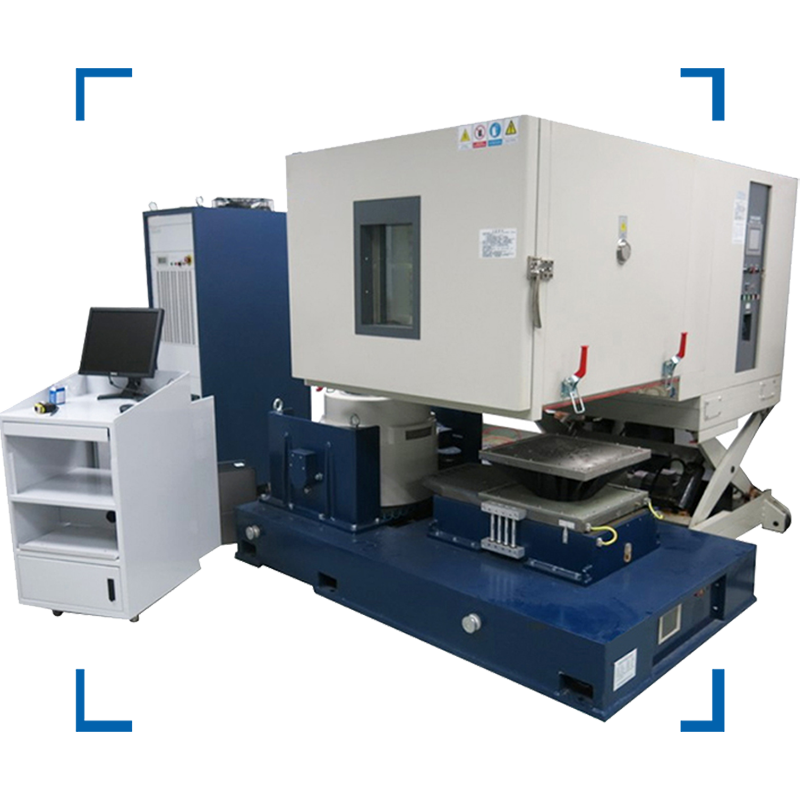
Engineered for extreme reliability, our primary testing systems are configured to support ISO, ASTM, and MIL-STD standards.
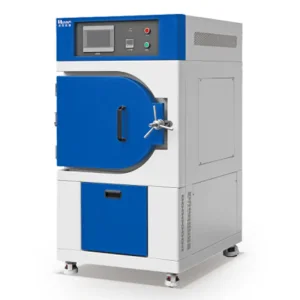
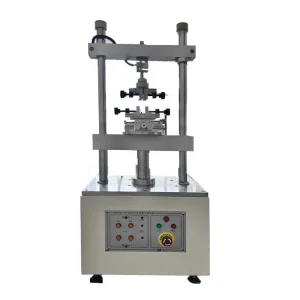
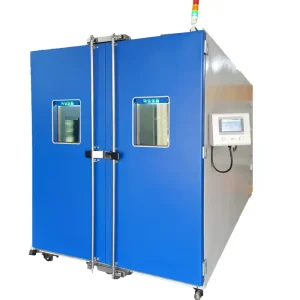
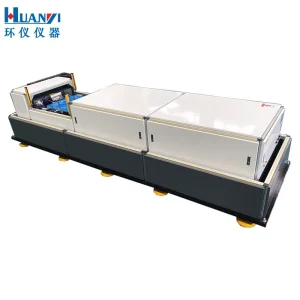
In modern structural and component testing, mechanical shock testing represents a critical phase of material validation. Under transient loading, materials and assemblies exhibit deformation profiles that are fundamentally distinct from static load conditions. Whether evaluating the impact performance of automotive battery packs or aerospace electronic sub-assemblies, manufacturers must implement shock testing methodologies capable of generating high-precision acceleration wave pulses.
The core physical metric of an impact testing machine centers on the precise control of acceleration (represented in Peak G), pulse duration (measured in milliseconds), and the shape of the shock waveform (typically half-sine, sawtooth, or trapezoidal). Generating these waveforms requires precise kinetic energy transfers. Standard procedures dictate that equipment must minimize parasitic high-frequency resonance while maintaining a linear velocity differential across the payload platform.
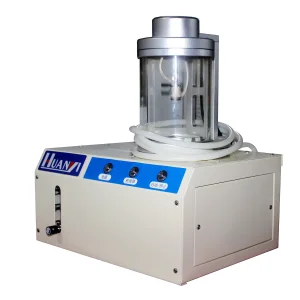
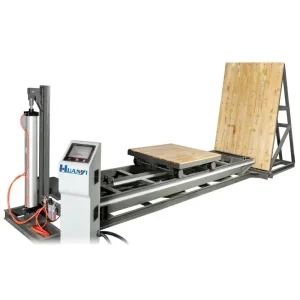
Huanyi's proprietary designs, including the Aerodynamic Horizontal Impact Response Spectrum Tester, leverage gas-hydraulic drive technologies to generate peak accelerations while maintaining wave-shape integrity. This ensures that the energy spectrum delivered to the specimen conforms strictly to standard curves such as MIL-STD-810G, ISO 2248, and ASTM D5276.
Analyzing the shifts toward multi-dimensional stress profiling, intelligent sensor synthesis, and predictive simulation models.
Integration of closed-loop gas pressure modulation allows systems to adaptively alter strike parameters in real-time, eliminating the need for manual pad swapping and minimizing user error.
Incorporating non-contact laser Doppler vibrometry provides dynamic deformation feedback at megahertz sampling rates, capturing transient micro-cracking events during shock.
Exporting direct physical acceleration profiles into Finite Element Analysis (FEA) systems enables engineers to build seamless predictive structural wear models.
For advanced production sectors, impact testing cannot occur in isolation. Environmental parameters dictate the failure threshold of components during shock loading. Consequently, modern validation protocols call for combined stress configurations:
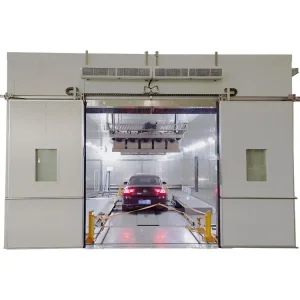
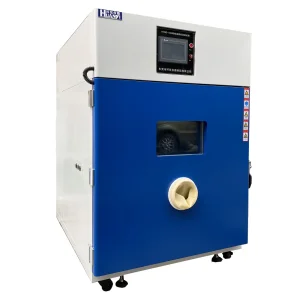
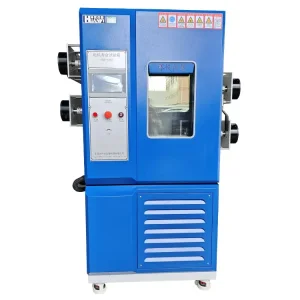
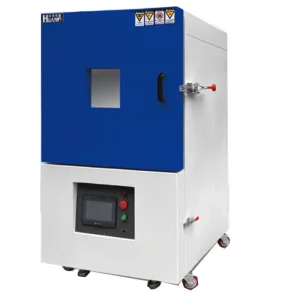
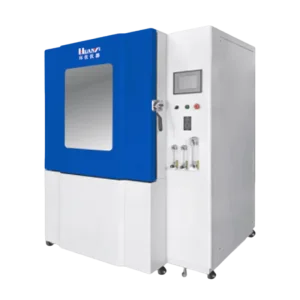
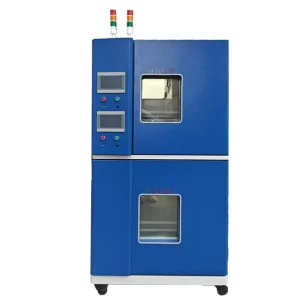
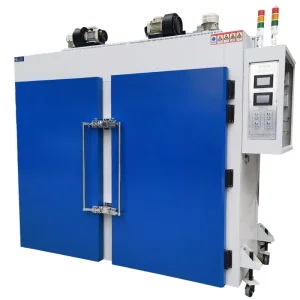
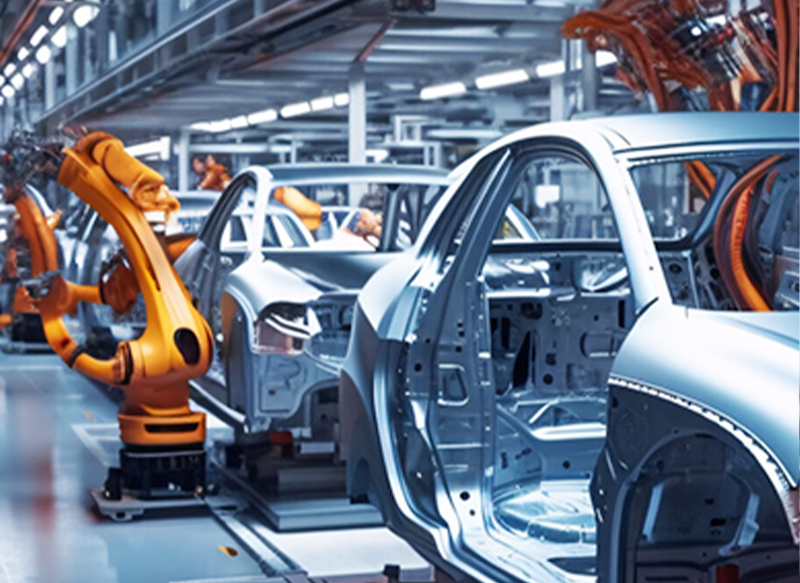
Large-format lithium-ion batteries are prone to catastrophic thermal runaway when subjected to dynamic mechanical deformation. Incorporating our OEM Vehicle Temperature & Humidity Integrated Testing Chamber and Battery Explosion-proof Test Chambers allows validation teams to study structural degradation under simultaneous extreme thermal fluctuations and impact events.
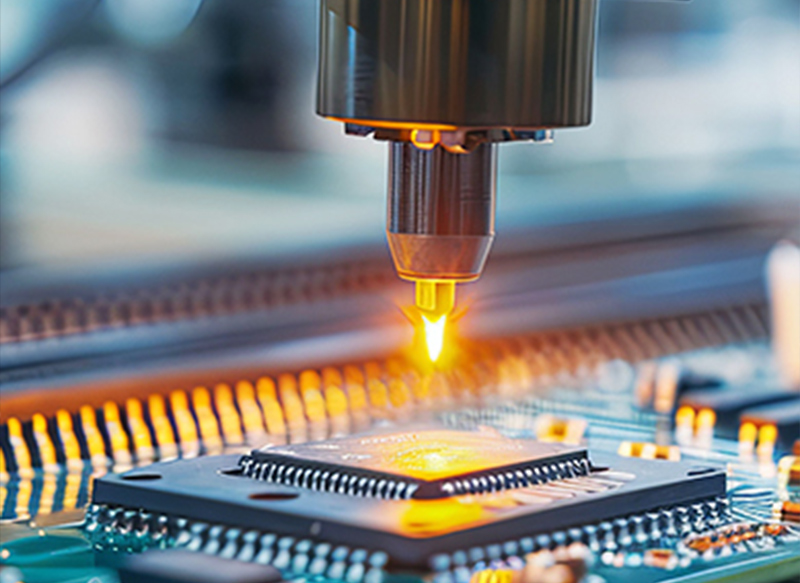
Fiber optic transceivers and microwave routing infrastructure must withstand transportation shocks and wind load vibrations. Our high-frequency environmental testing arrays verify micro-alignment structural integrity in real-time.
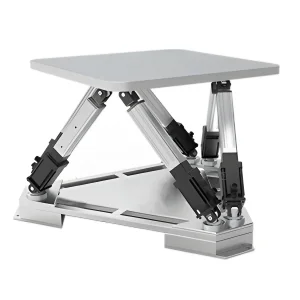
Avionics and defense payloads must survive rapid multi-axis ballistic shocks. Implementing our Six-Degree-of-Freedom Swing Test Benches ensures sub-systems are tested against true spatial shock vectors.
How Dongguan Huanyi Instruments integrates digital design and automated production to ensure high quality and cost-efficient delivery.
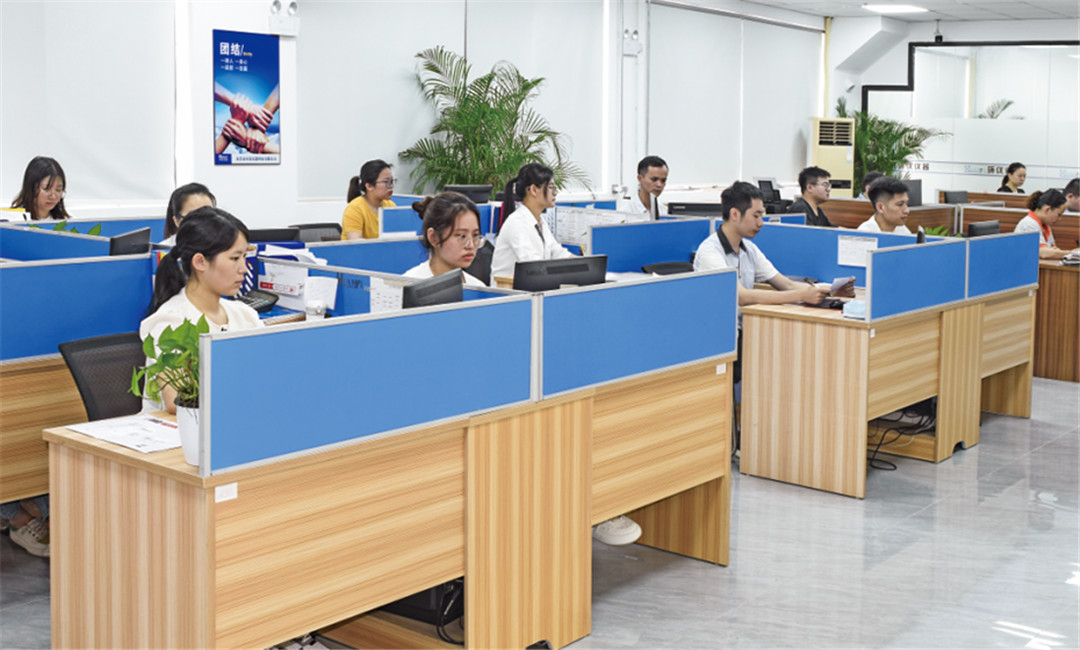
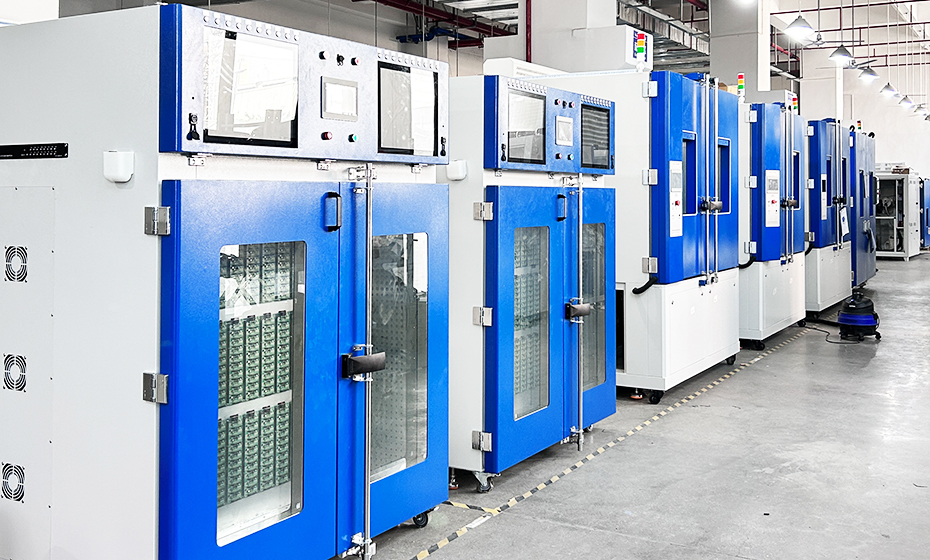
Situated in China's advanced industrial core, Dongguan Huanyi Instruments operates a specialized 6,022 square meter manufacturing facility. We have moved beyond traditional fabrication by utilizing digital sheet metal processing, precision laser cutting, and automated welding lines. This integration allows us to achieve strict structural tolerances on all environmental testing enclosures and test benches.
Our digital production model relies on a fully integrated ERP Management System. The ERP software tracks raw materials from initial procurement through cutting, structural assembly, refrigeration pipe integration, electrical systems wiring, and final testing. This process optimization minimizes material waste and ensures project execution timelines are met.
Furthermore, our experience as a drafting contributor for Chinese National Standards (such as GB5364 and GBT50325) reflects our technical capabilities. This standard-level expertise guides our product design and assembly procedures, ensuring each system delivered to clients matches or exceeds international expectations.
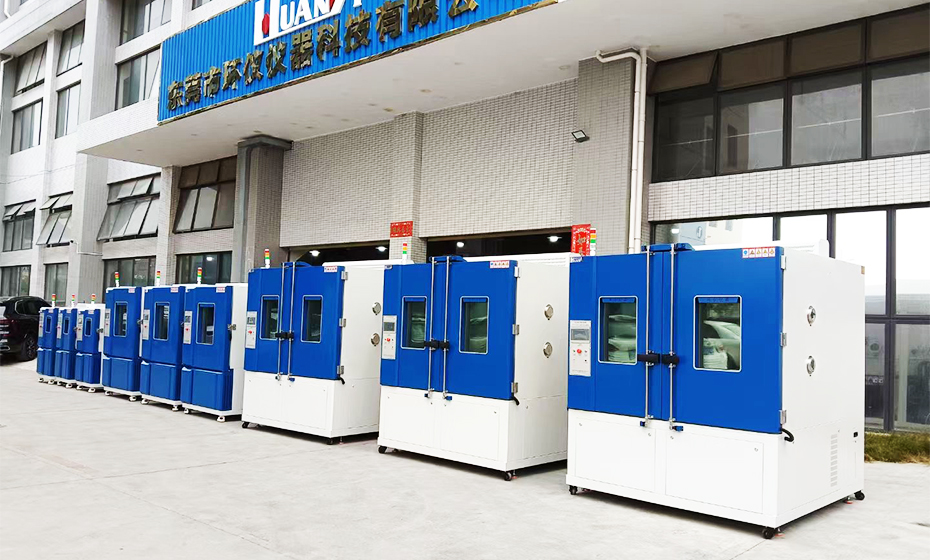
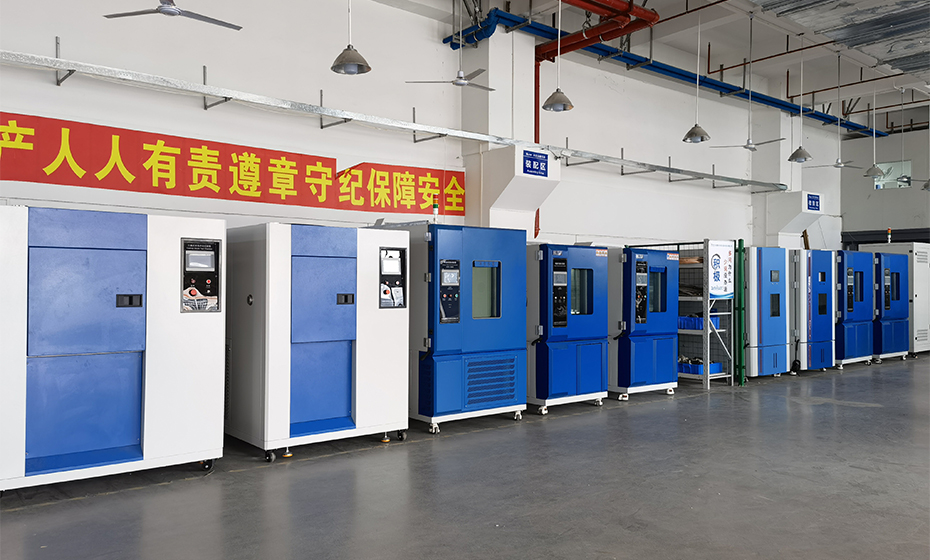
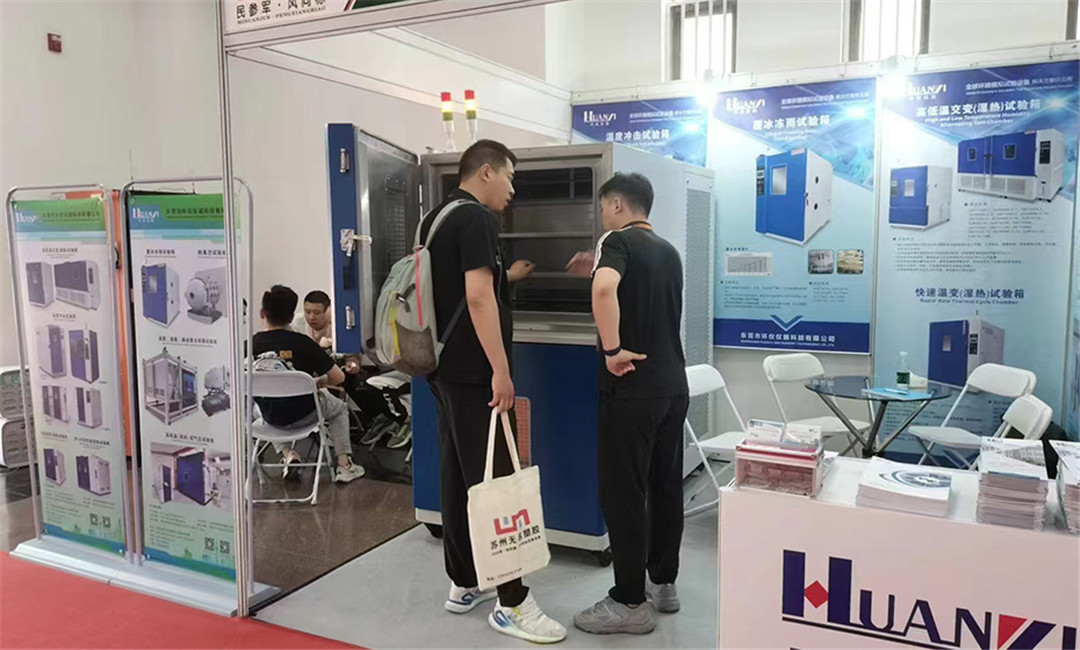
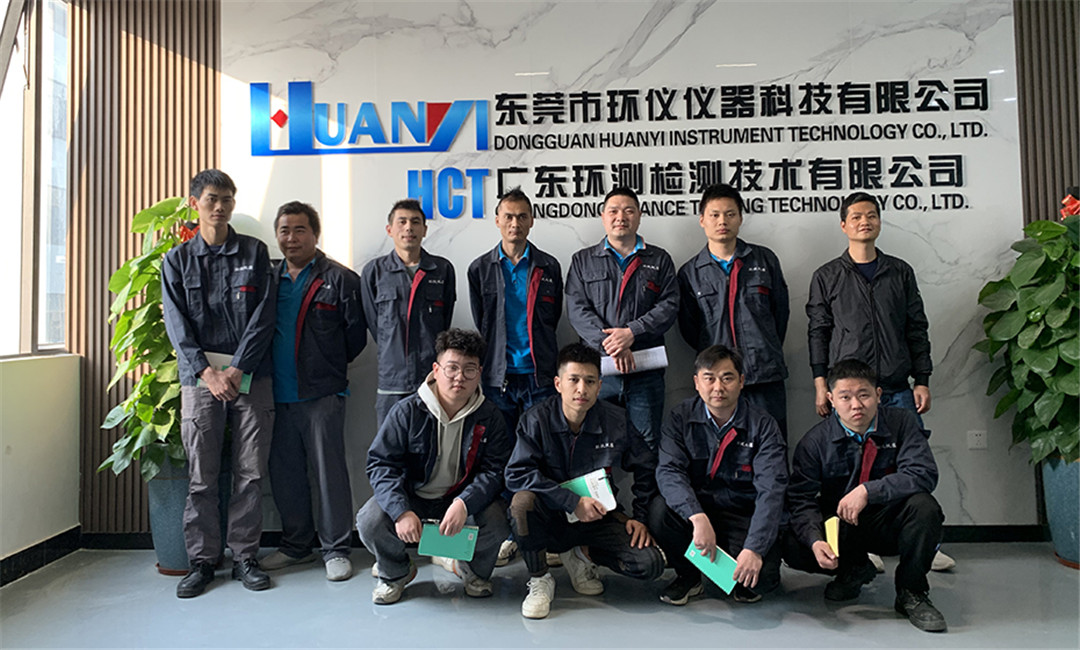
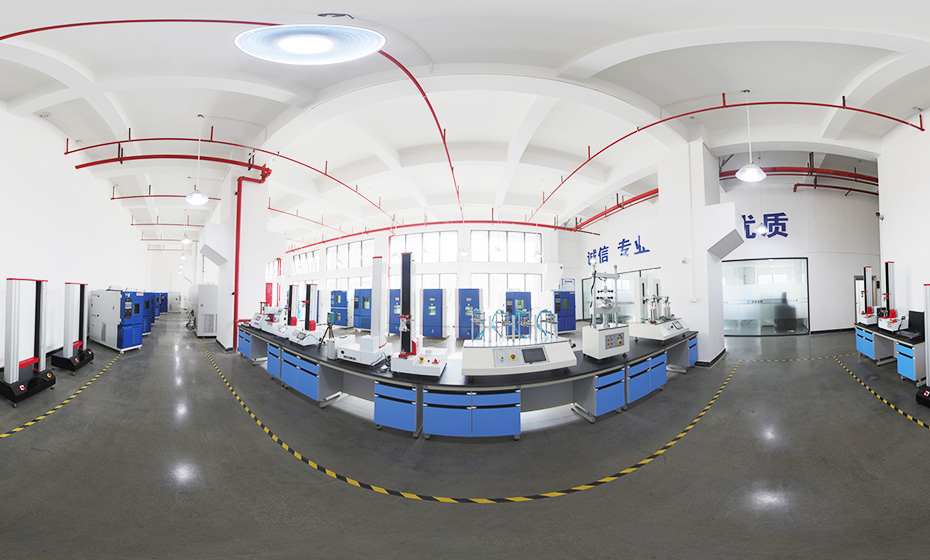
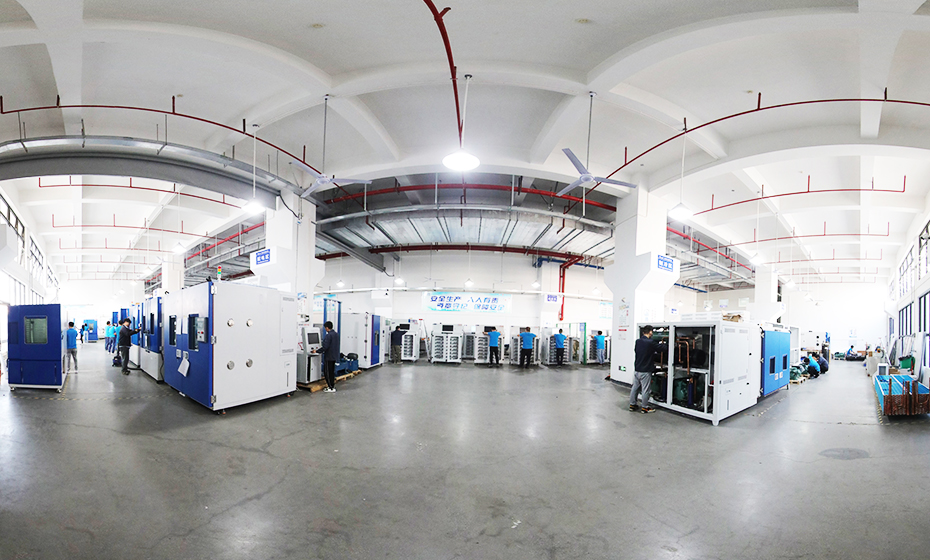
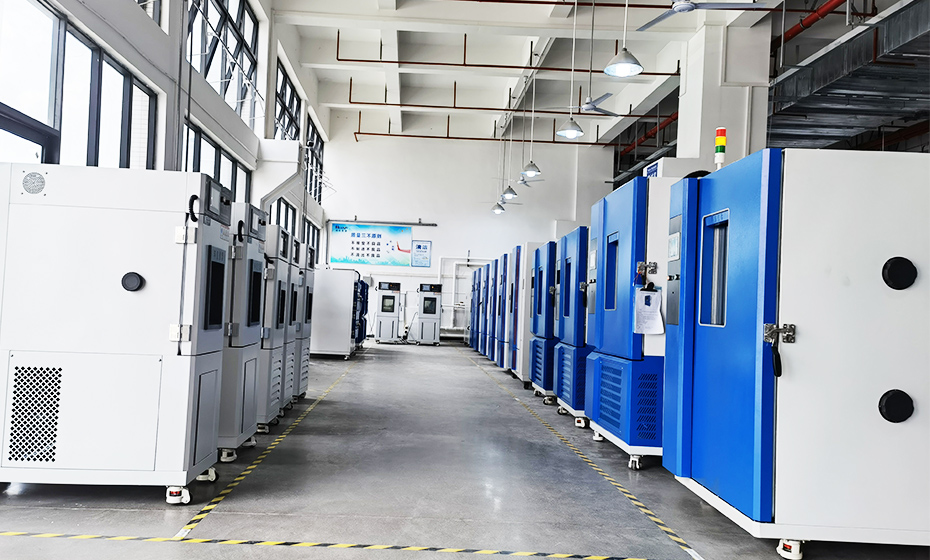
Procuring specialized testing machinery requires localized validation and maintenance support. Dongguan Huanyi Instruments maintains a network of regional service centers in major industrial areas: Jiangsu, Xi'an, Chongqing, Shanghai, and Beijing. Each hub houses certified service technicians capable of perform calibration and maintenance procedures.
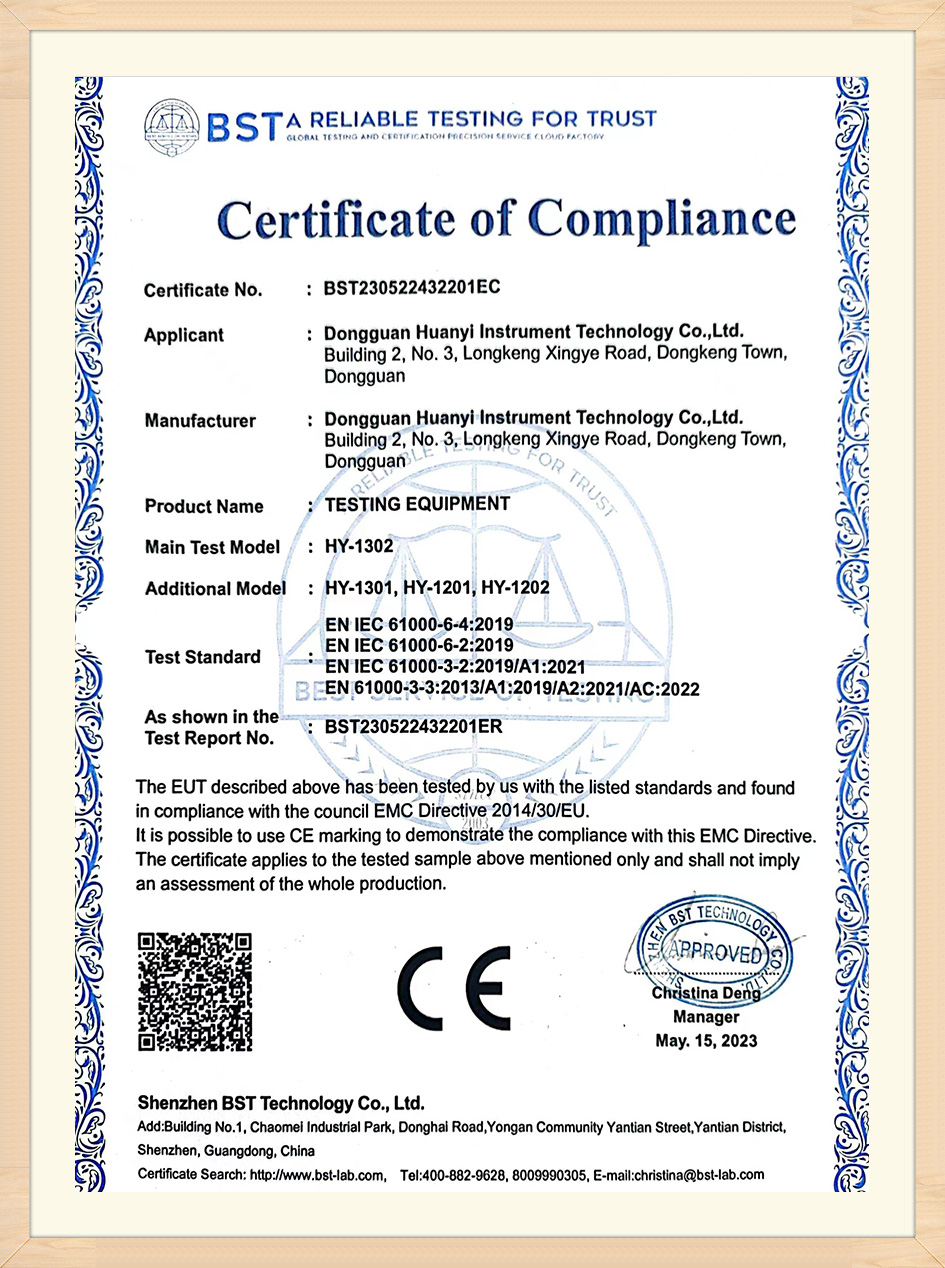
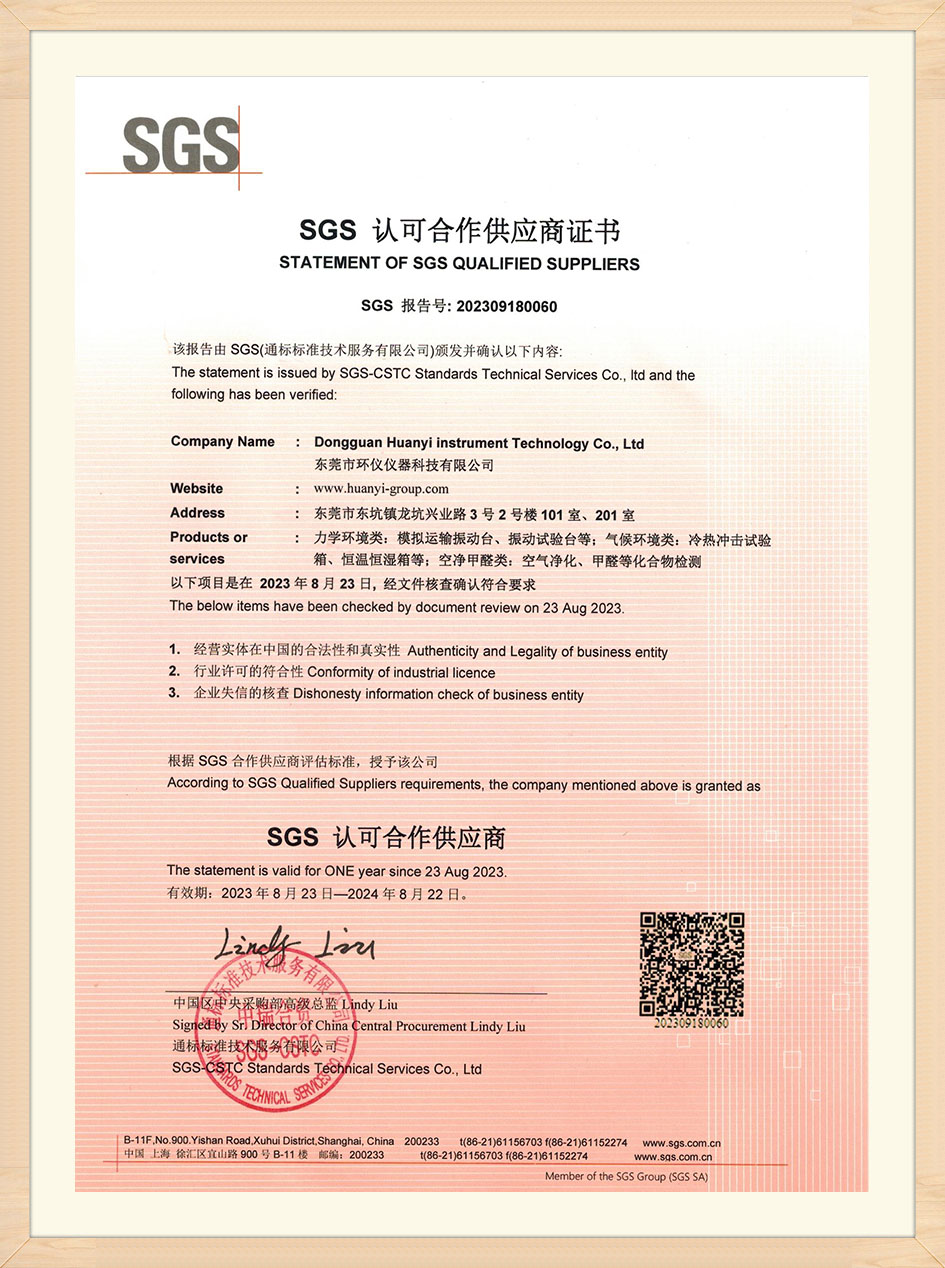
For international customers across Southeast Asia, Europe, North America, and the Middle East, we provide online support and coordination for third-party calibration agencies (such as SGS, TUV, or local national metrology institutes). Our systems are built with brand-name components, ensuring replacement parts are available globally and minimizing system downtime.
Our subsidiary laboratory, Guangdong Huance Testing Technology Co., Ltd. (established in 2022), assists clients in preparing validation reports. This testing resource helps clients verify that their materials comply with target quality and reliability standards.
A look back at our growth from a regional workshop to a recognized drafting contributor of national environmental testing standards.
Established on March 20, 2007, Huanyi Instruments has built a specialized team with experience in environmental simulation and dynamic mechanical analysis. We focus on design, engineering, and manufacturing to deliver reliable test chambers and benches.
Our company philosophy—"Customer-centric, quality-guaranteed, honesty-based, and innovation-oriented"—guides our engineering decisions. By utilizing durable materials and high-grade system components, we build equipment designed for long-term operational consistency.
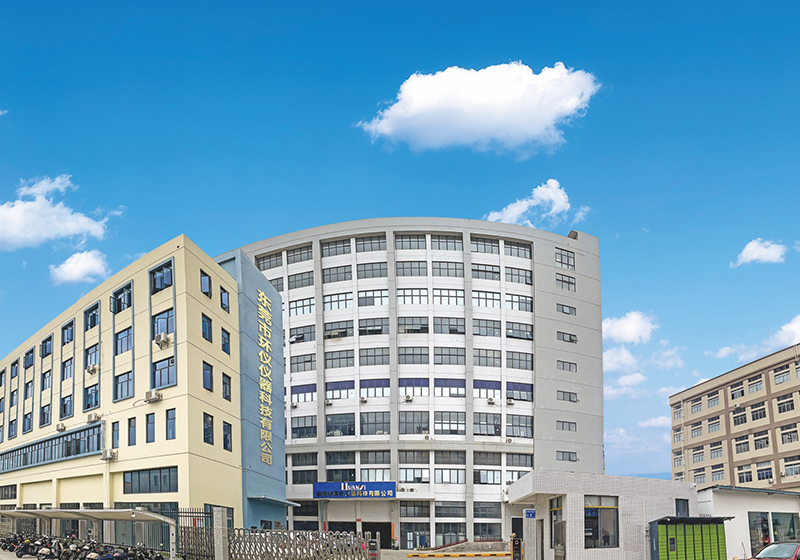
Dongguan Huanyi Instrument Technology Co., Ltd. is founded on March 20, establishing our manufacturing presence in Southern China.
Established our Jiangsu Office to provide direct sales and service support to the East China industrial hub.
Opened offices in Xi'an and Chongqing to support automotive and defense electronics testing sectors in Western China.
Opened our Shanghai and Beijing Offices to expand our service footprint to northern national research facilities.
Established our Digital Sheet Metal Center, updating our structural fabrication capabilities with high-precision CNC laser cutting.
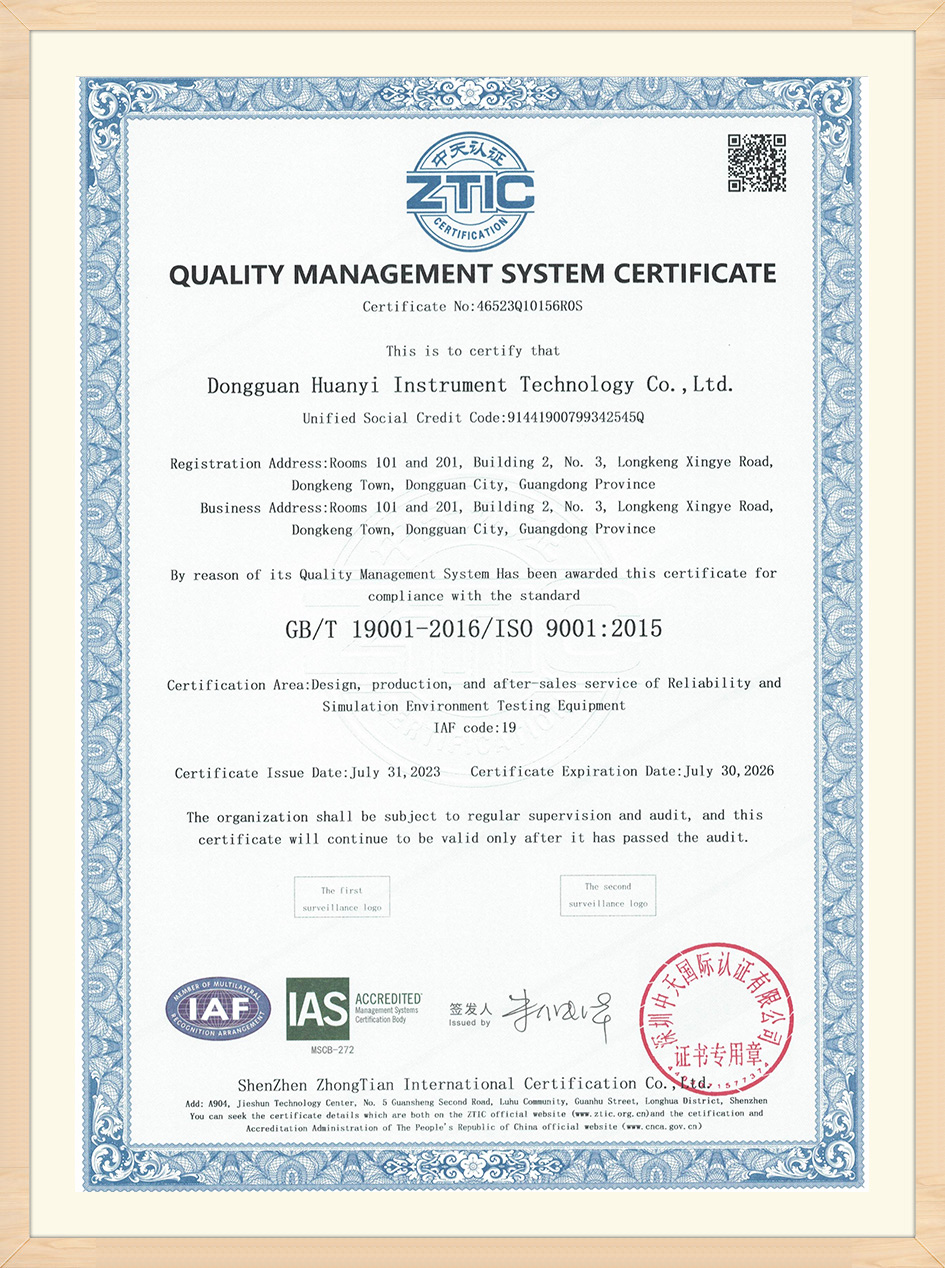
Formally passed the Quality Management System Certification ISO 9001:2015, standardizing our assembly and testing procedures.
Participated as a drafting contributor for China National Standards GB5364 and GBT50325, and recognized as a High-Tech Enterprise.
Founded Guangdong Huance Testing Technology Co., Ltd. as a dedicated laboratory, offering independent testing and validation support.
Our engineering and production workflows are built around quality control, design flexibility, and regulatory compliance.
We implement quality control checks throughout production, including raw material inspection, mechanical assembly, refrigeration testing, and final sensor calibration.
Our engineering and R&D personnel bring over 20 years of experience. We handle high-volume production orders and custom equipment designs using ERP monitoring to keep projects on schedule.
Our facility operates automated cutting and metal fabrication systems, using digital wood and metal working tools connected to our central ERP system to help manage production efficiency.
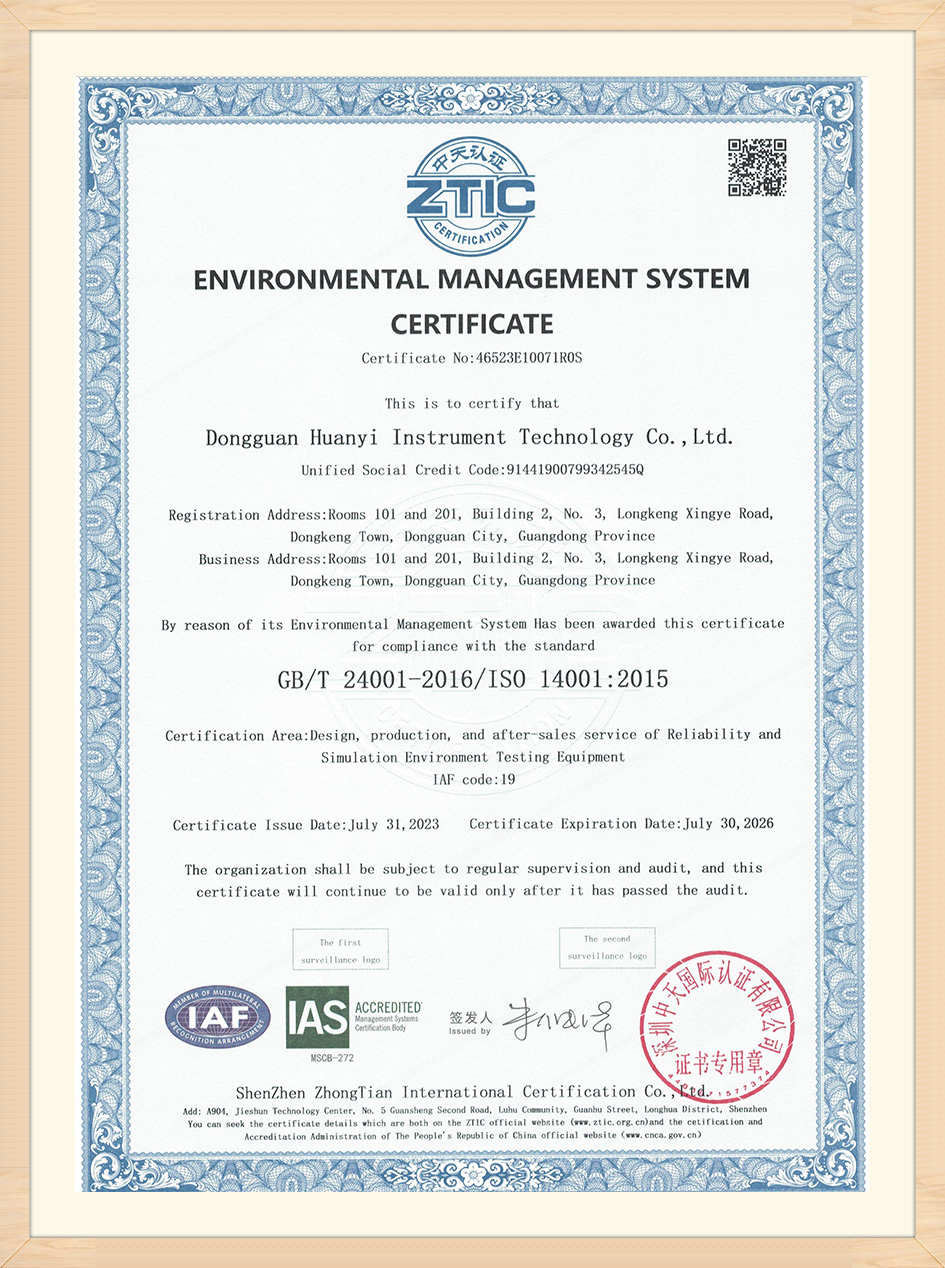
We build our test chambers in our ISO 9001 certified facility, selecting materials and components to ensure reliable operation and environmental compliance.
From laboratory research to final transport packaging validation, we support all stages of product testing.
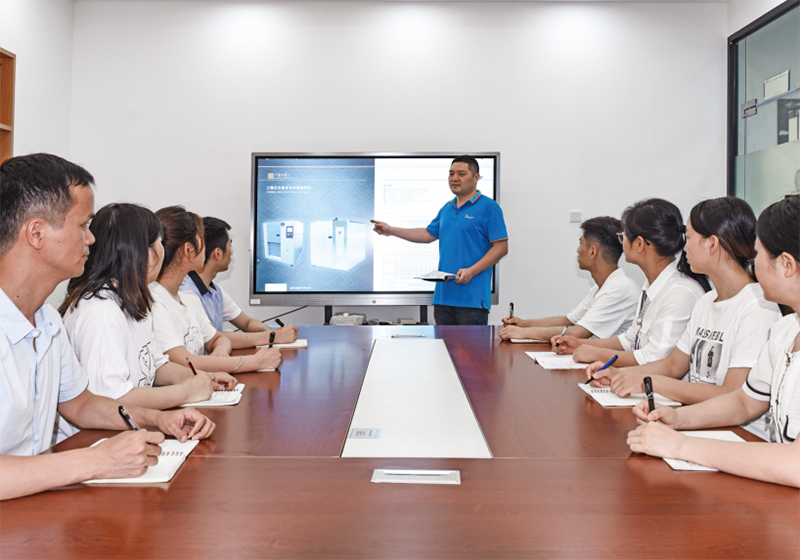
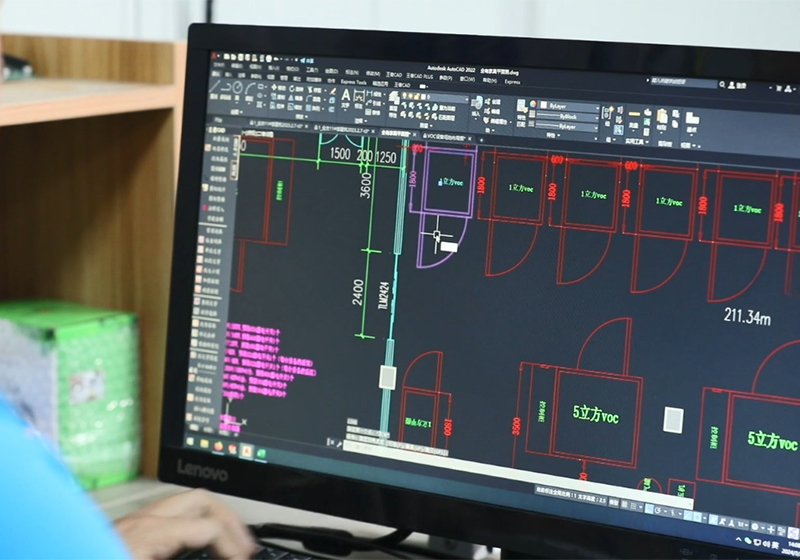
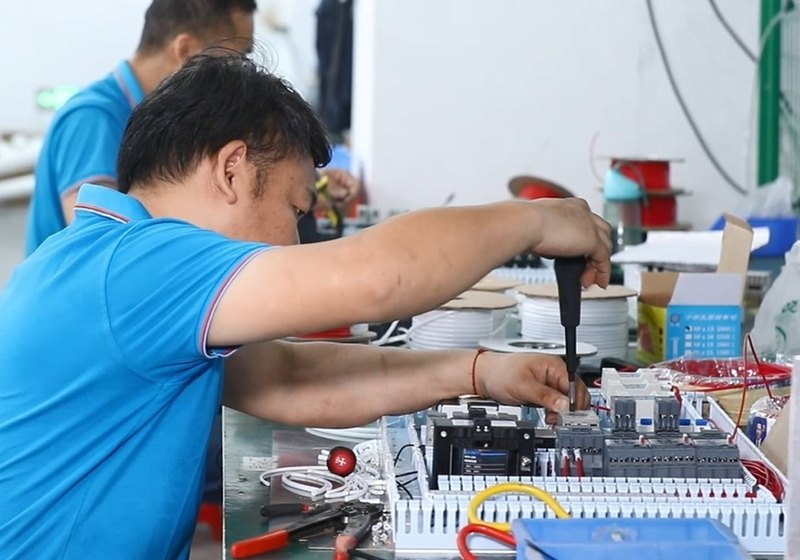
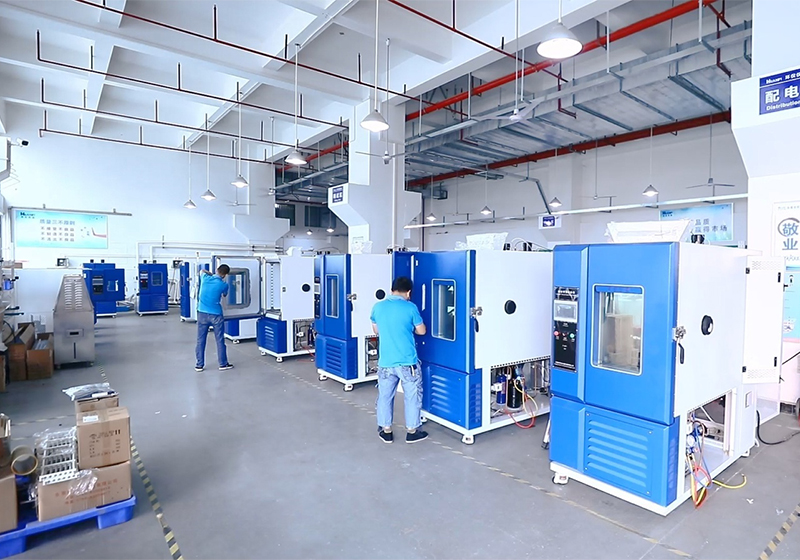
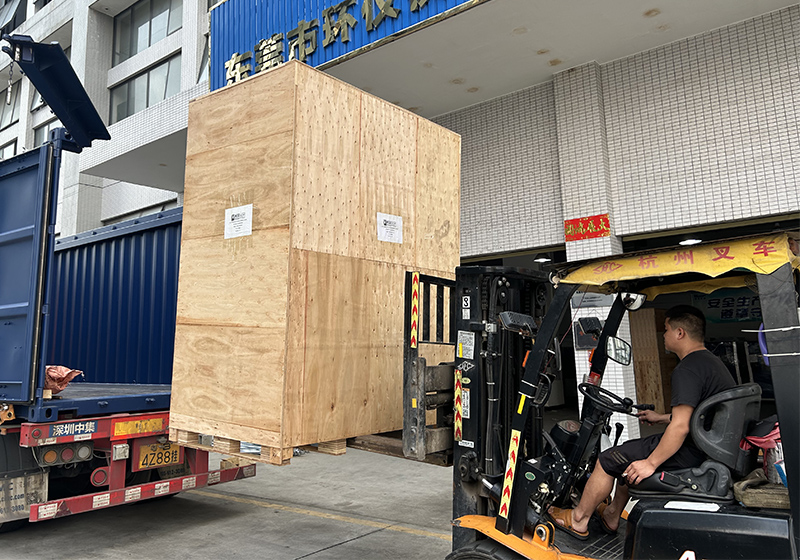
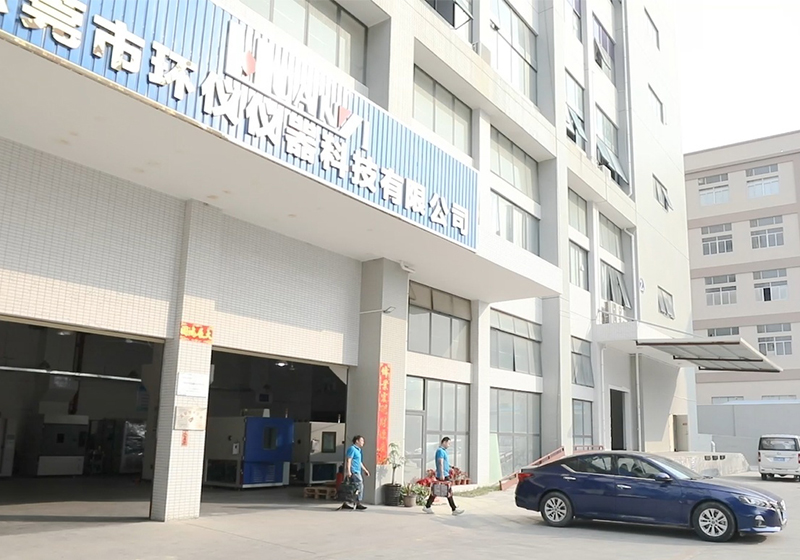
We manufacture our systems using brand-name components to ensure reliability and performance, meeting ISO and regional quality standards.
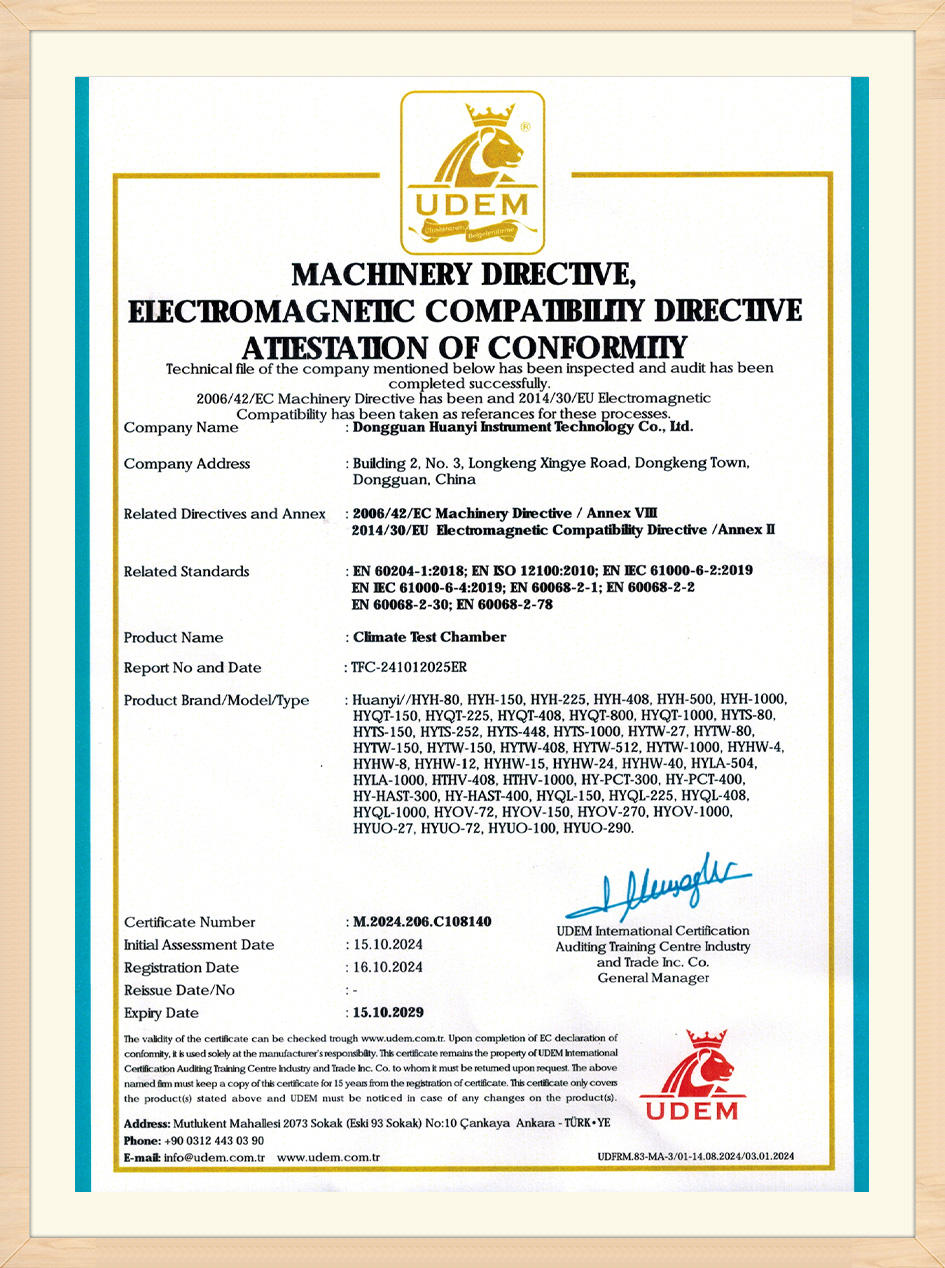
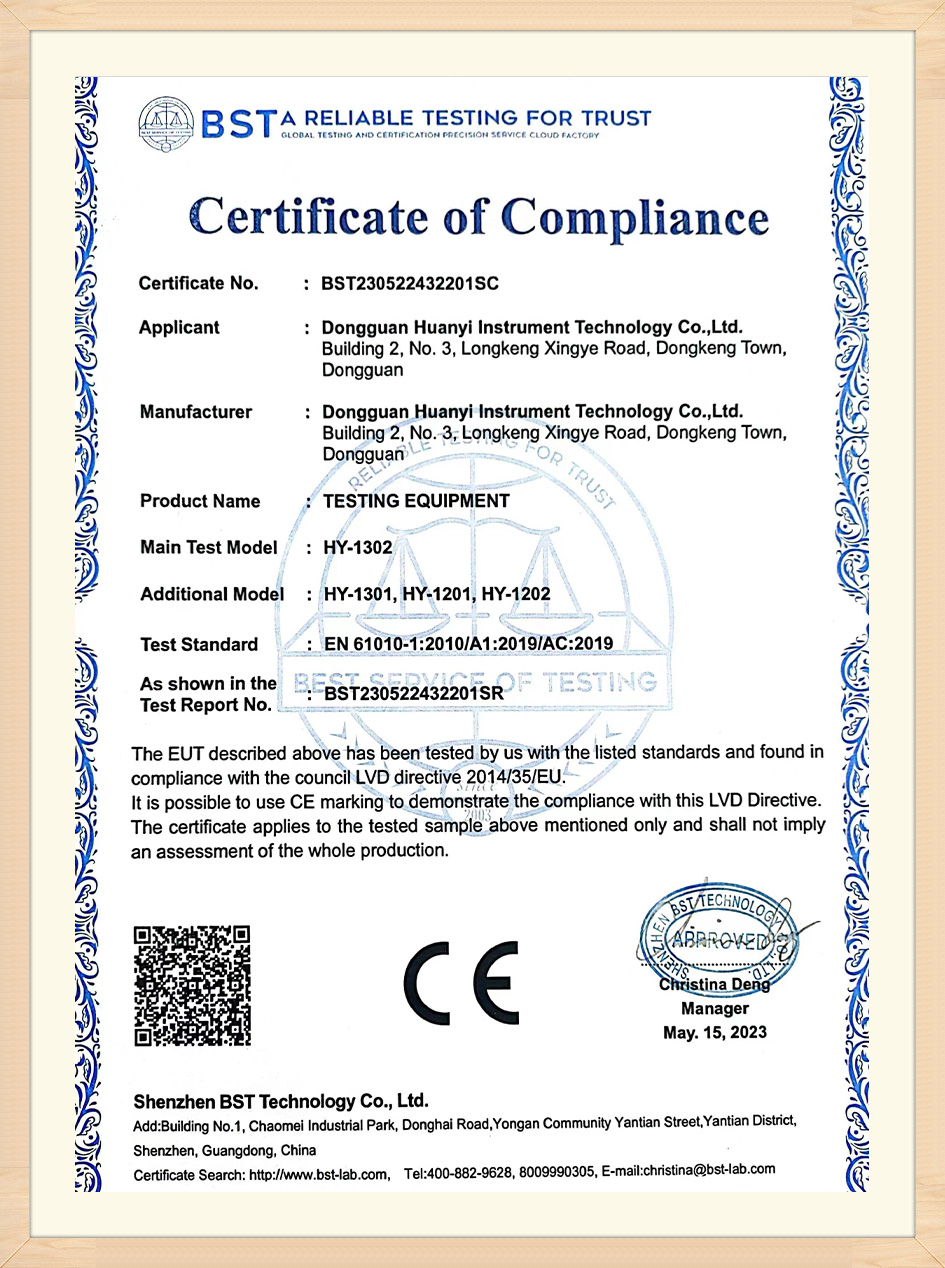
Answers to common technical queries regarding mechanical shock validation and environmental testing systems.
An aerodynamic impact testing machine uses high-pressure compressed air to accelerate a shock table along horizontal or vertical guide rails. When the table strikes a designated programmer pad (usually made of polyurethane or felt), the kinetic energy is transferred, producing a half-sine acceleration pulse. By adjusting the gas pressure and pad hardness, engineers can customize the peak acceleration and pulse duration to meet target testing standards.
During thermal cycling or humidity exposure tests, lithium-ion battery cells may experience dendrite growth, internal short-circuiting, or runaway venting. This can release toxic, flammable gases (such as carbon monoxide and hydrogen) that present a fire or explosion risk. Our battery explosion-proof chambers feature reinforced walls, blast-relief ports, inert gas purging systems, and spark-free electrical designs to contain potential failures and protect laboratory operators.
Since 2018, Dongguan Huanyi Instruments has contributed to the drafting of Chinese National Standards, including GB5364 and GBT50325. Our team provides technical data and validation metrics to help define regional testing criteria, ensuring our manufactured systems align with these regulatory frameworks.
Industrial-grade precision machinery designed to support demanding R&D material failure investigations.





 Huanyi