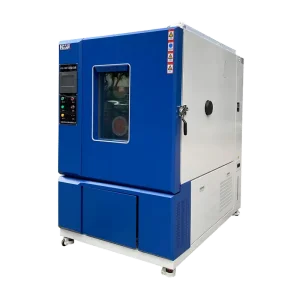
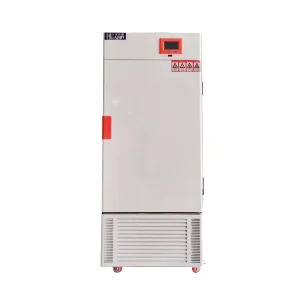
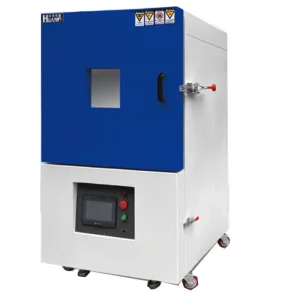
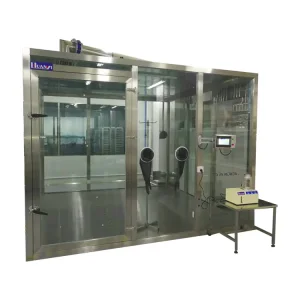
In modern industrial engineering, ensuring the longevity and material integrity of components exposed to natural environments is a paramount challenge. Traditionally, continuous salt spray tests (such as ASTM B117) were the default industry baseline. However, laboratory science and historical field data have proven that static, continuous exposure fails to replicate the real-world microclimates characterized by humidity shifts, drying cycles, and temperature swings.
Cyclic Corrosion Testing (CCT) has emerged as the definitive solution. By cycling test specimens through a controlled progression of distinct environmental states—such as salt spray exposure, dry-off cycles, high-humidity soak phases, and ambient temperature recovery—CCT produces degradation mechanisms, rates, and structures that match outdoor weathering. Sourcing testing chambers from specialized OEM factories ensures that chambers meet the exact structural standards required to replicate these complex atmospheric phenomena repeatedly.
"Scientific research indicates that standard continuous salt spray tests can produce corrosion structures fundamentally different from outdoor atmospheric corrosion. Cyclic Corrosion Testing remains the most accurate laboratory method for predicting actual product lifetimes."
A comparison of testing methodology efficiency, compliance with international criteria, and simulation accuracy.
| Parameters & Capabilities | Conventional Salt Spray (e.g., ASTM B117) | Advanced Prohesion Testing (e.g., ASTM G85 A5) | Modern Cyclic Corrosion Test (CCT) |
|---|---|---|---|
| Environmental States | Single continuous state (Salt fog only) | Two-state cycle (Dry air & salt spray) | Multi-state cycle (Spray, Dry, Humidity, Dwell, Freeze) |
| Real-World Correlation | Low correlation (often causes false failures) | Moderate correlation for industrial coatings | Excellent correlation for complex assemblies |
| Typical Applications | Basic QC for inorganic/metal platings | Industrial paint testing, structural steel coatings | Automotive assemblies, EV electronics, military hardware |
| Relative Accuracy | Provides rough ranking of material properties | Good simulation for dry-cycle structural items | Industry gold-standard for lifetime service modeling |
| Common Testing Norms | ISO 9227, ASTM B117 | ASTM G85 Annex A5, BS 3900 | ISO 11997, VDA 233-102, SAE J2334, GMW 14872 |
Examining how modern production infrastructure, digital workflows, and industrial zoning drive down lead times and costs while enhancing design customization.
China-based OEM manufacturers utilize localized supply chains for raw materials and parts. Advanced sheet metal processing facilities allow direct laser cutting, bending, and welding of corrosion-resistant PP, PVDF, or high-grade titanium-reinforced stainless steel plates, drastically reducing structural assembly times.
By leveraging open-architecture Siemens, Mitsubishi, or custom-configured high-end PLC controller software, Chinese OEM factories build custom software suites. These programs enable rapid programming of temperature, humidity, spray volume, and dry-off periods to match changing testing standards.
Collaborating with local testing centers means Chinese OEM factories can prototype customized hardware, validate structural compliance under ASTM G85 or ISO 11997, and ship production-ready environmental chambers in half the turnaround time of traditional Western manufacturers.
When engineering procurement teams evaluate OEM Cyclic Corrosion Test manufacturers, looking at static specifications is not enough. To ensure reliable performance over a decade-long service life, consider the following technical indicators:
Verify that the testing chamber uses reinforced glass fiber (GRP), polypropylene (PP), or PVC walls. Metallic components within the chamber, such as heating elements and sensor housings, must be shielded in high-grade Hastelloy or titanium to resist continuous exposure to acidified salt solutions (pH 3.0 to 7.2).
Modern cyclic standards like VDA 233-102 demand fast temperature and humidity transition rates. The chamber must feature high-performance heating grids and compressed air dry-off assemblies capable of dropping humidity from 95% RH to 35% RH within strict transition windows, preventing unwanted condensation dwell times.
Salt fog must settle evenly across the test surface. Ensure the OEM factory incorporates adjustable, non-clogging acrylic spray nozzles along with high-accuracy peristaltic pumps that can control solution collection rates precisely between 1.0 to 2.0 mL/80cm²/h.
Choose manufacturers utilizing modern ERP systems and network-enabled PLC touchscreens. Integrating data logging, Ethernet remote control, and automated calibration alerts helps streamline compliance processes for internal QA protocols (such as IATF 16949).
An industry-recognized high-tech enterprise contributing directly to national testing standards.
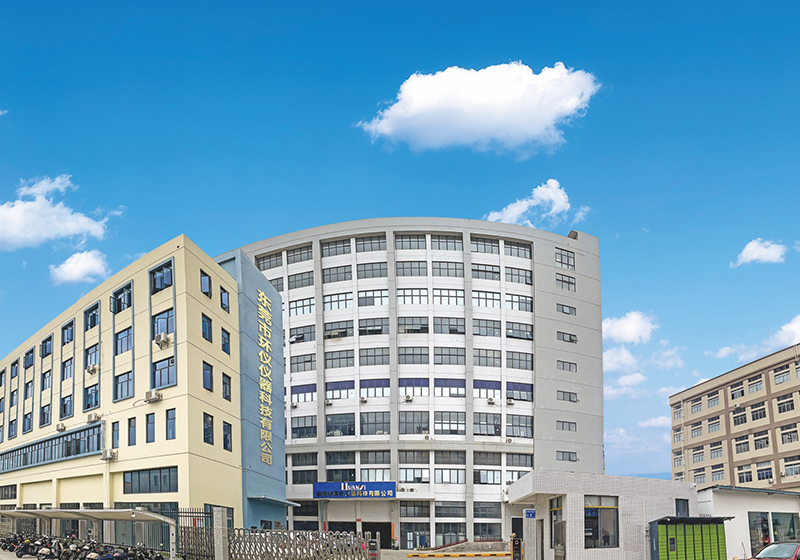
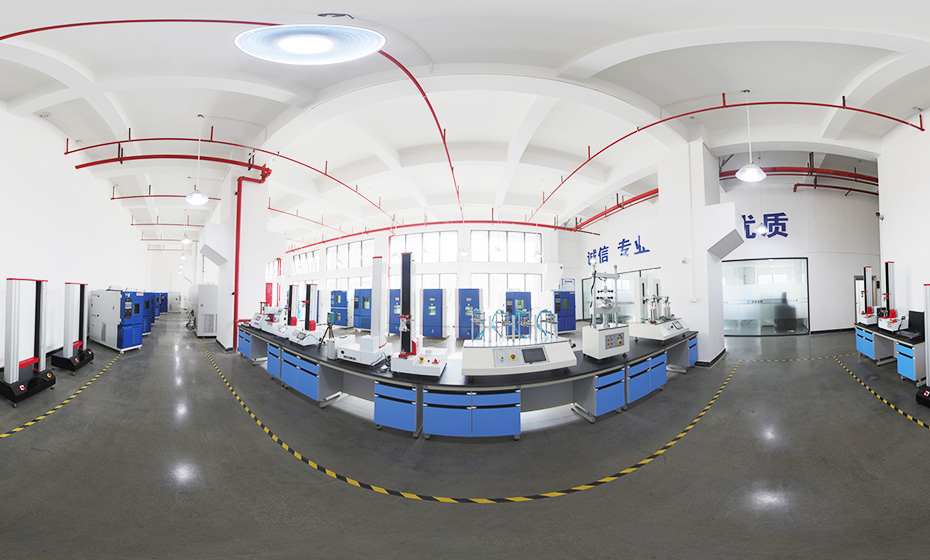
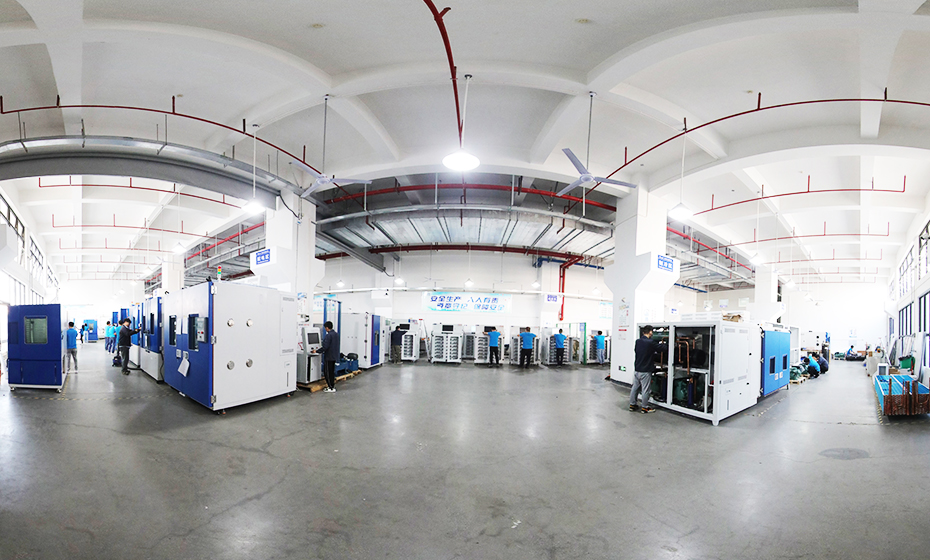
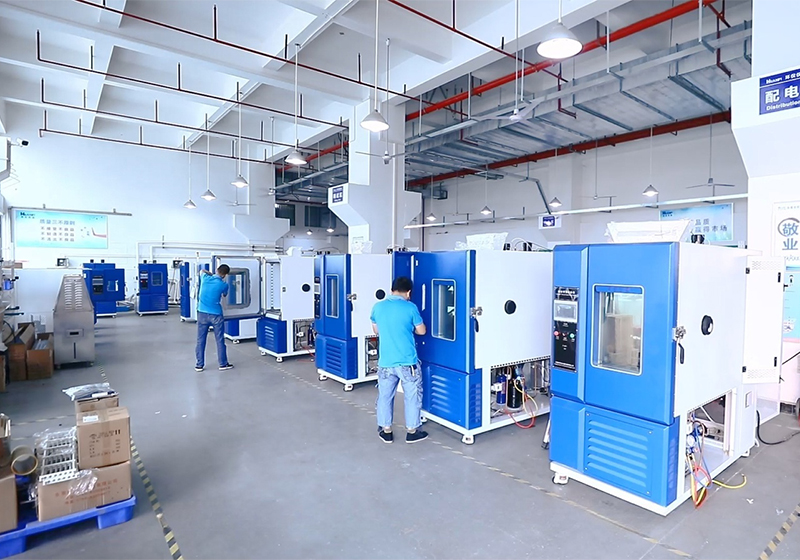
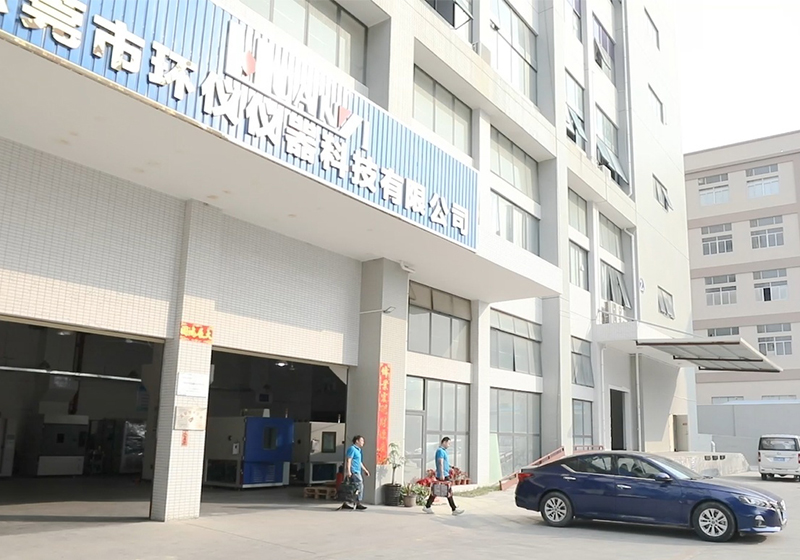
Established on March 20, 2007, and covering a production footprint of 6,022 square meters, Dongguan Huanyi Instruments Technology Co., Ltd. is a high-tech enterprise integrating R&D, production, sales, and after-sales service. We have participated in the drafting of national standards and industry standards for environmental simulation test equipment, including GB5364 and GBT50325.
Our philosophy is "customer-centric, quality-guaranteed, honesty-based, and innovation-oriented". Through unremitting efforts, Huanyi has cultivated a high-quality team with rich production, R&D, and management experience. All key system elements are built using internationally recognized component brands, ensuring high accuracy and long-term durability under harsh, acidic conditions.
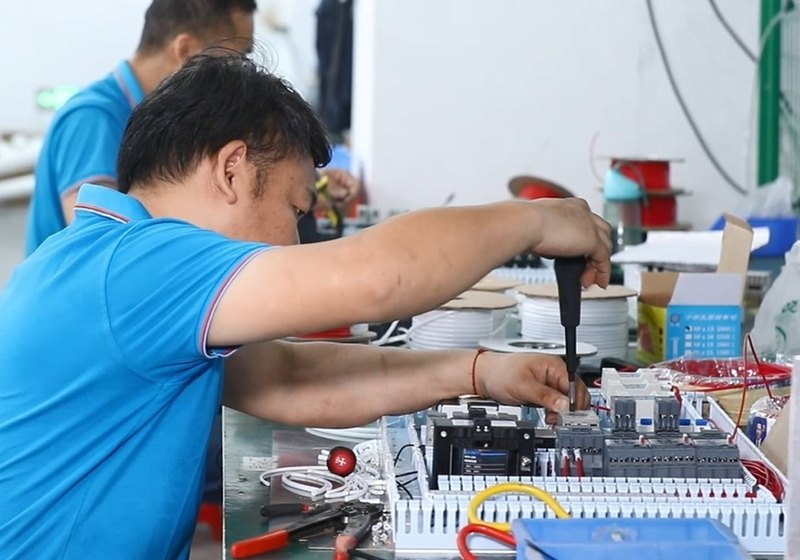
High Quality Control from every aspect of raw material, production, installation, and commission. The main components of all our products are made of internationally renowned brand components to ensure high quality and stable performance.
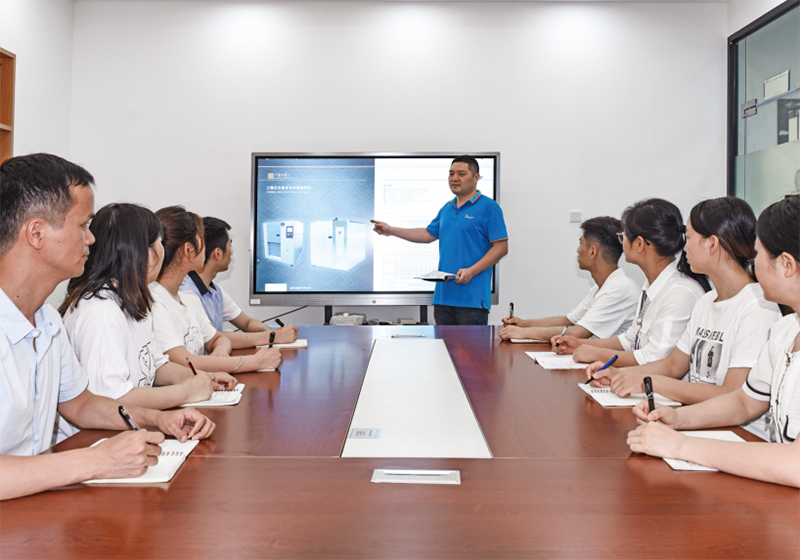
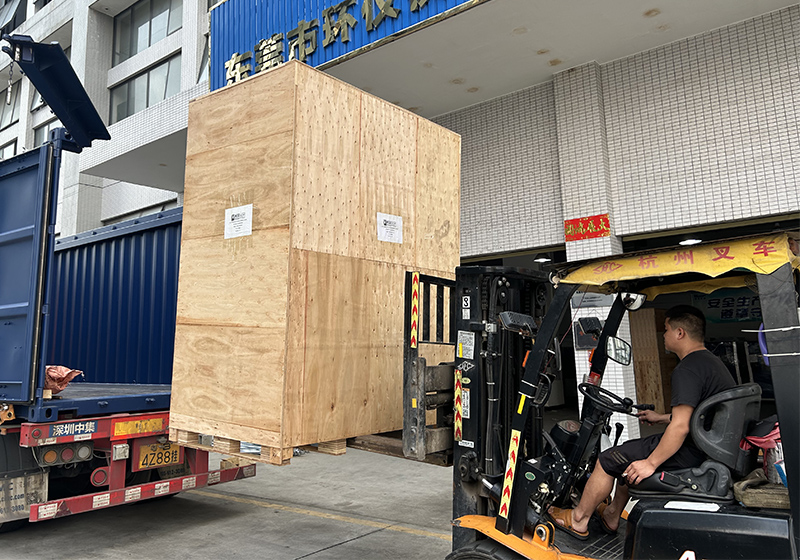
With more than 20 years of experience, we have professional production and R&D personnel. Huanyi can meet large-volume production orders at any time. Additionally, we use an ERP system to monitor the production process, ensuring timely delivery.
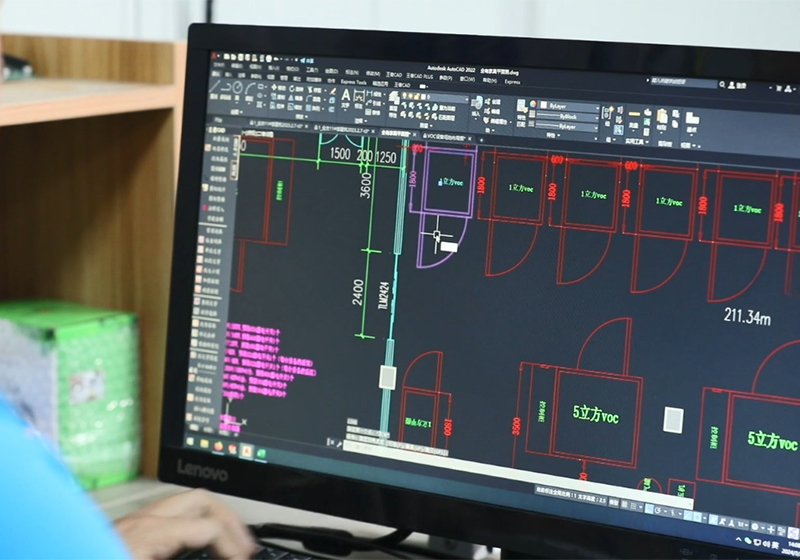
Modern equipment and superb process production including laser cutting panels and wood, ERP systems, production control systems, and cutting automation. Our advanced equipment helps us reduce waste and lower production costs.
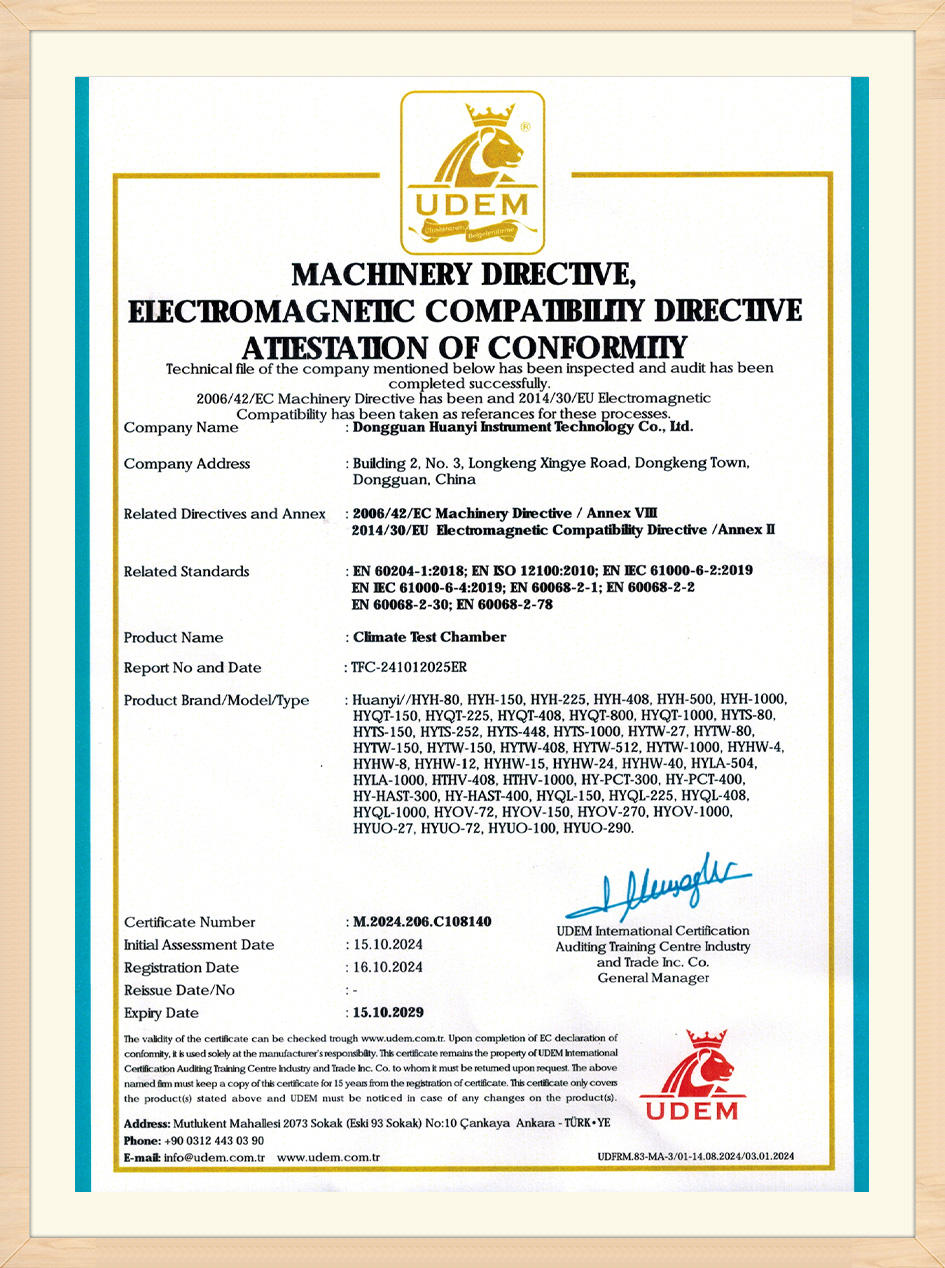
ISO 9001:2015 factory manufacturing. Mature technology, professional after-sales service, and high-quality raw materials ensure long operational lifespans and regulatory compliance.
Established in 2007, Dongguan Huanyi Instrument Technology Co., Ltd.
Established Jiangsu Office to support domestic manufacturers.
Established Xi'an and Chongqing Offices to support western markets.
Established Shanghai and Beijing Offices to expand commercial reach.
Establishment of Digital Sheet Metal Center to automate housing fabrication.
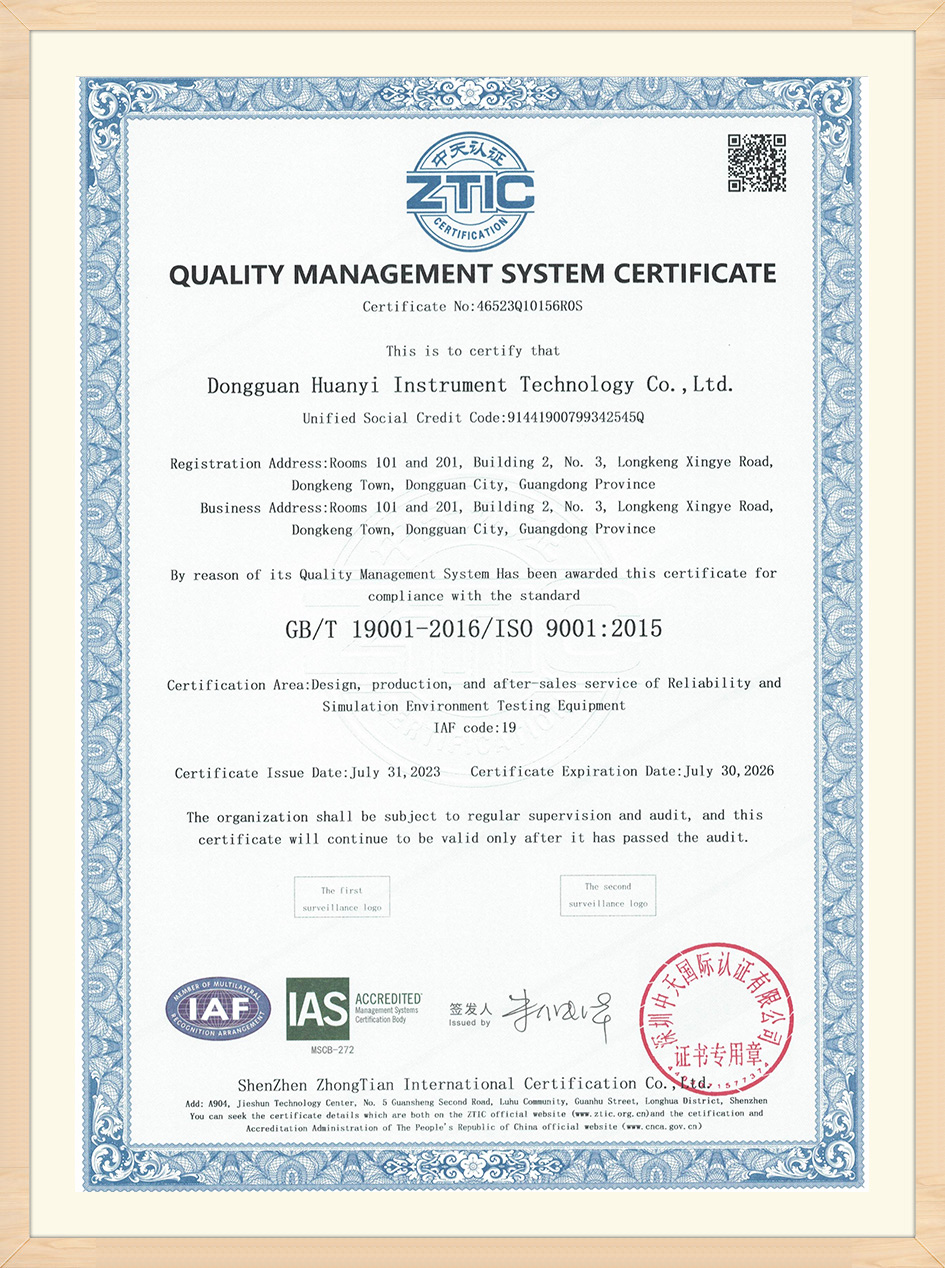
Passed the quality management system certification ISO 9001:2015.
Rated as contract-abiding enterprise and high-tech enterprise. Participated in drafting standards like GB5364 and GBT50325.
Established a dedicated testing laboratory: Guangdong Huance Testing Technology Co., Ltd.
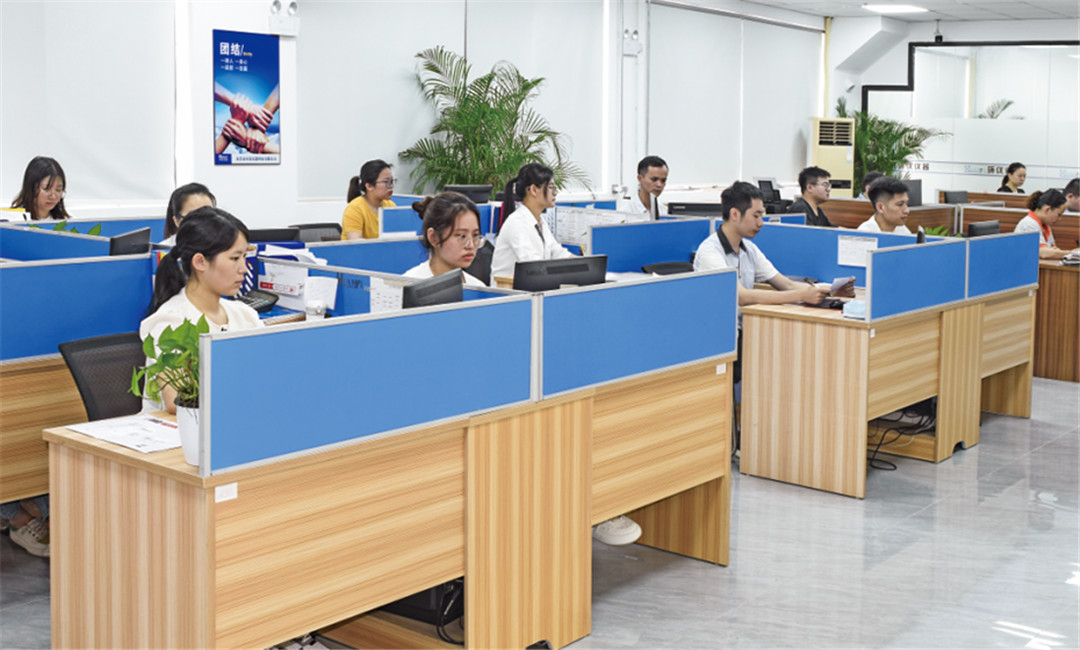
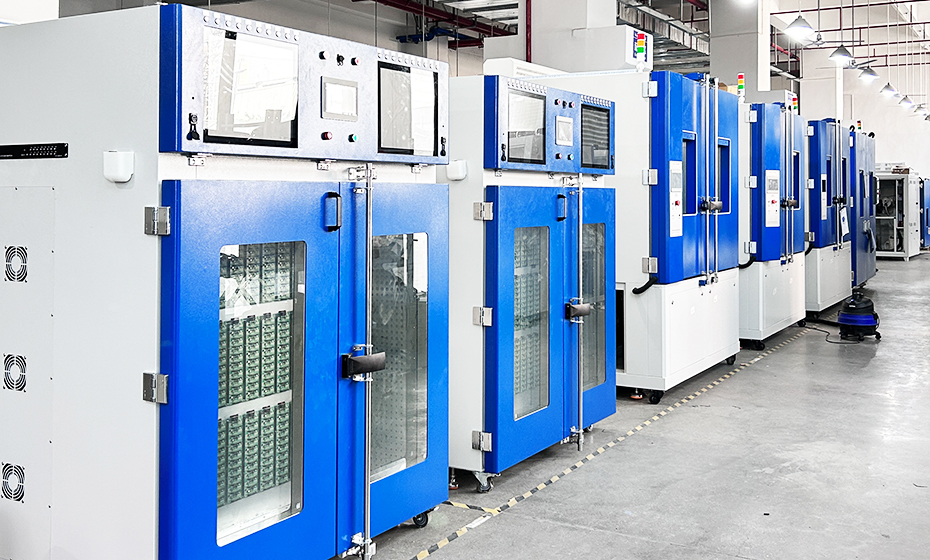
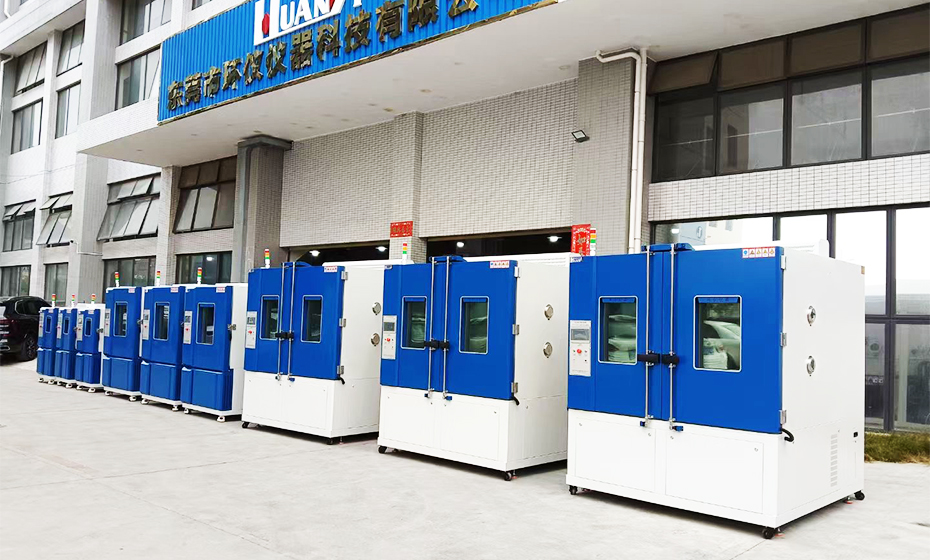
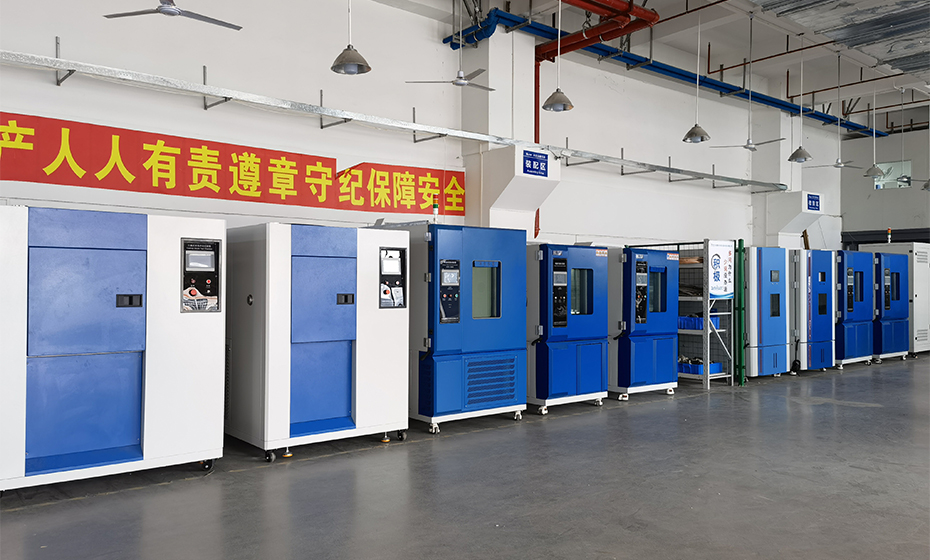
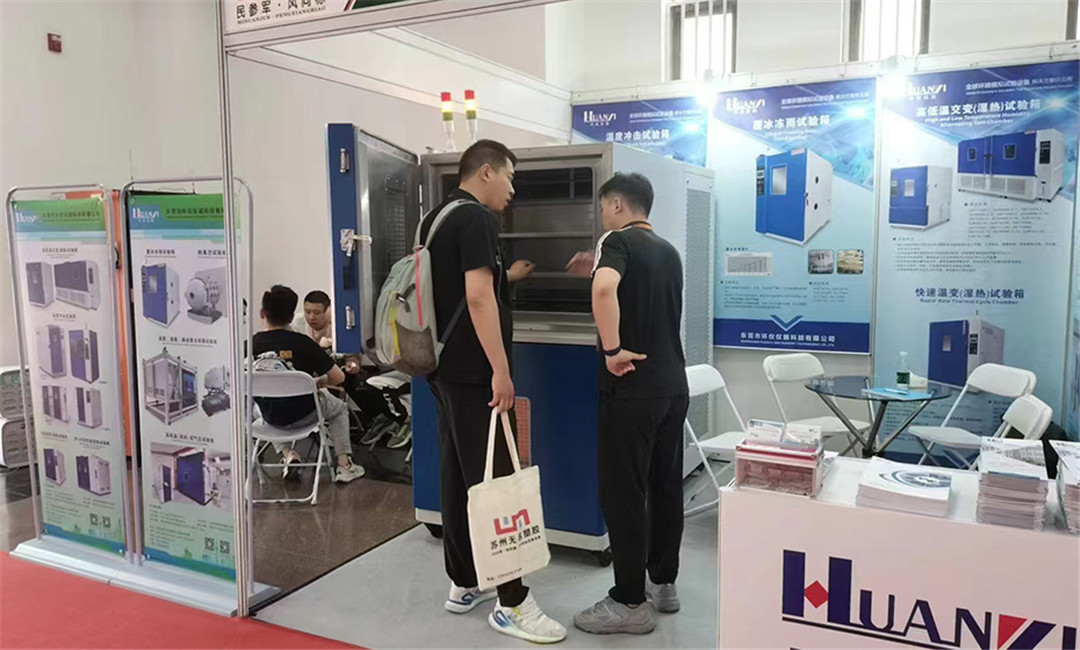
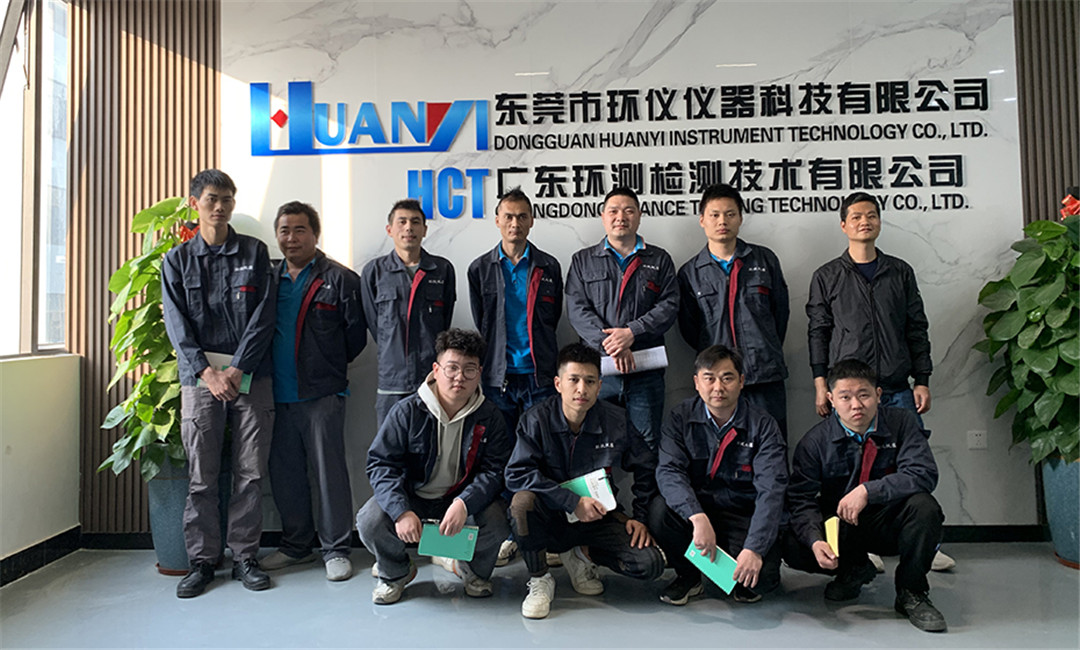
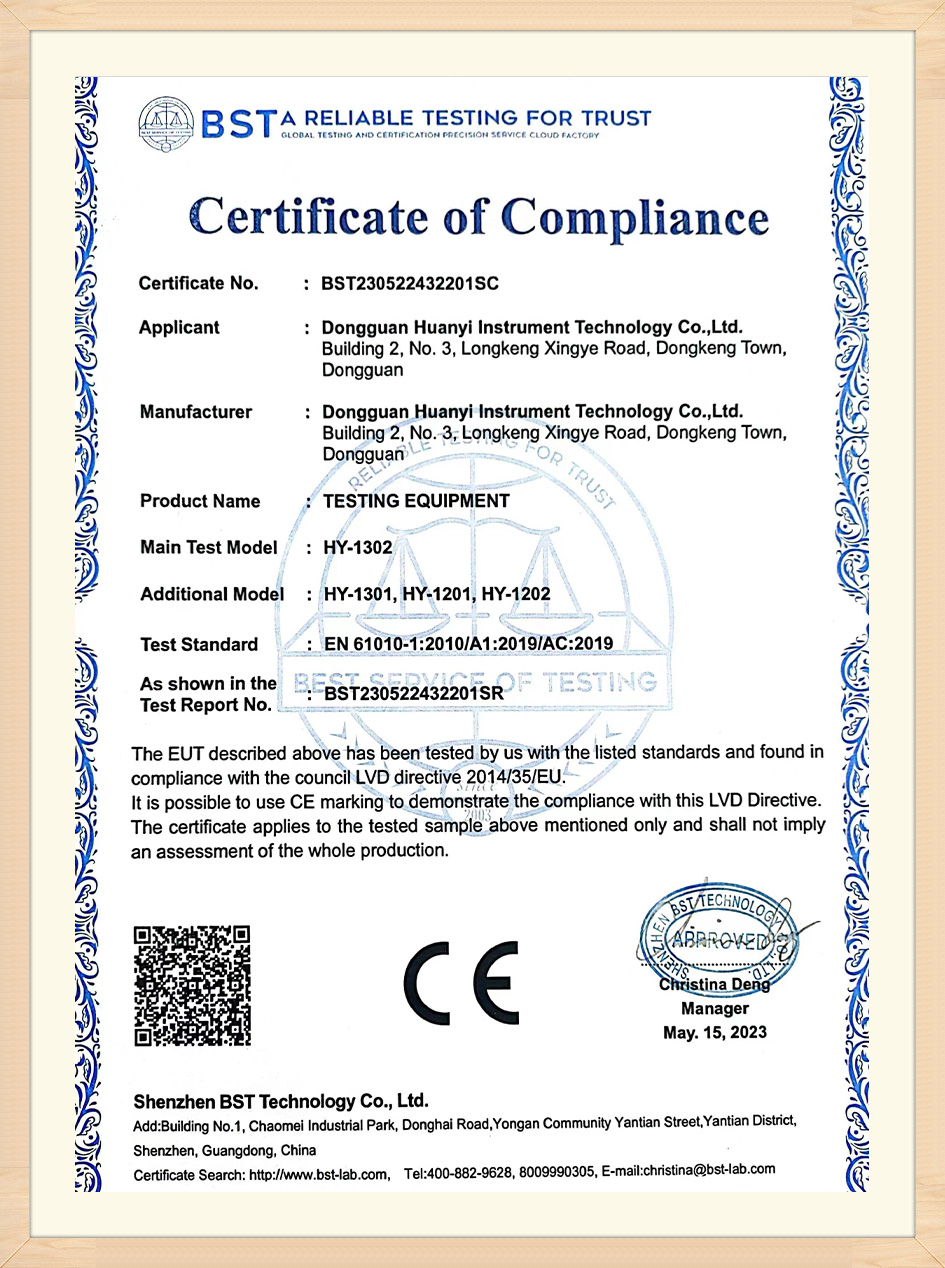
Demonstrating our commitment to standardized quality metrics.
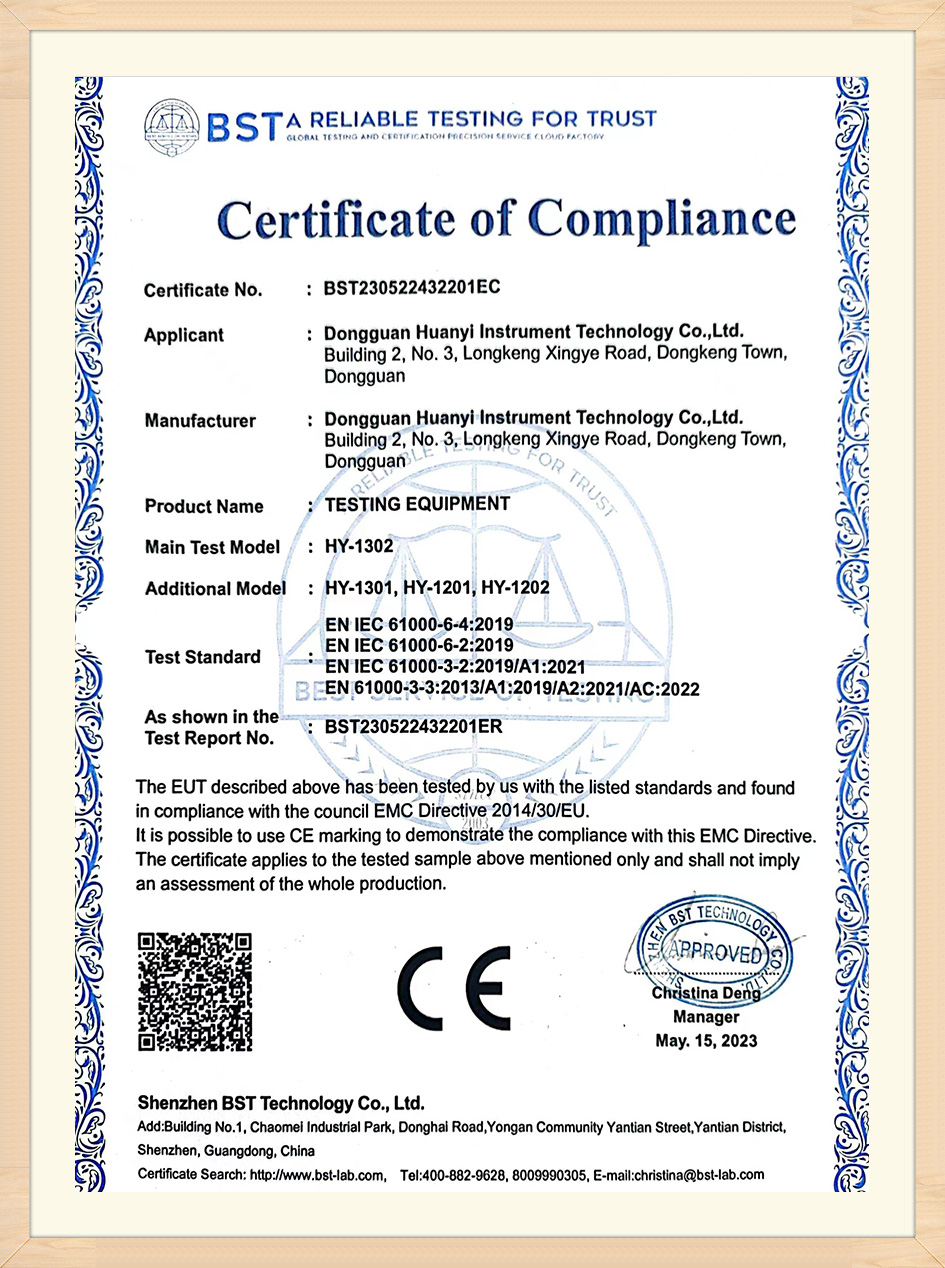
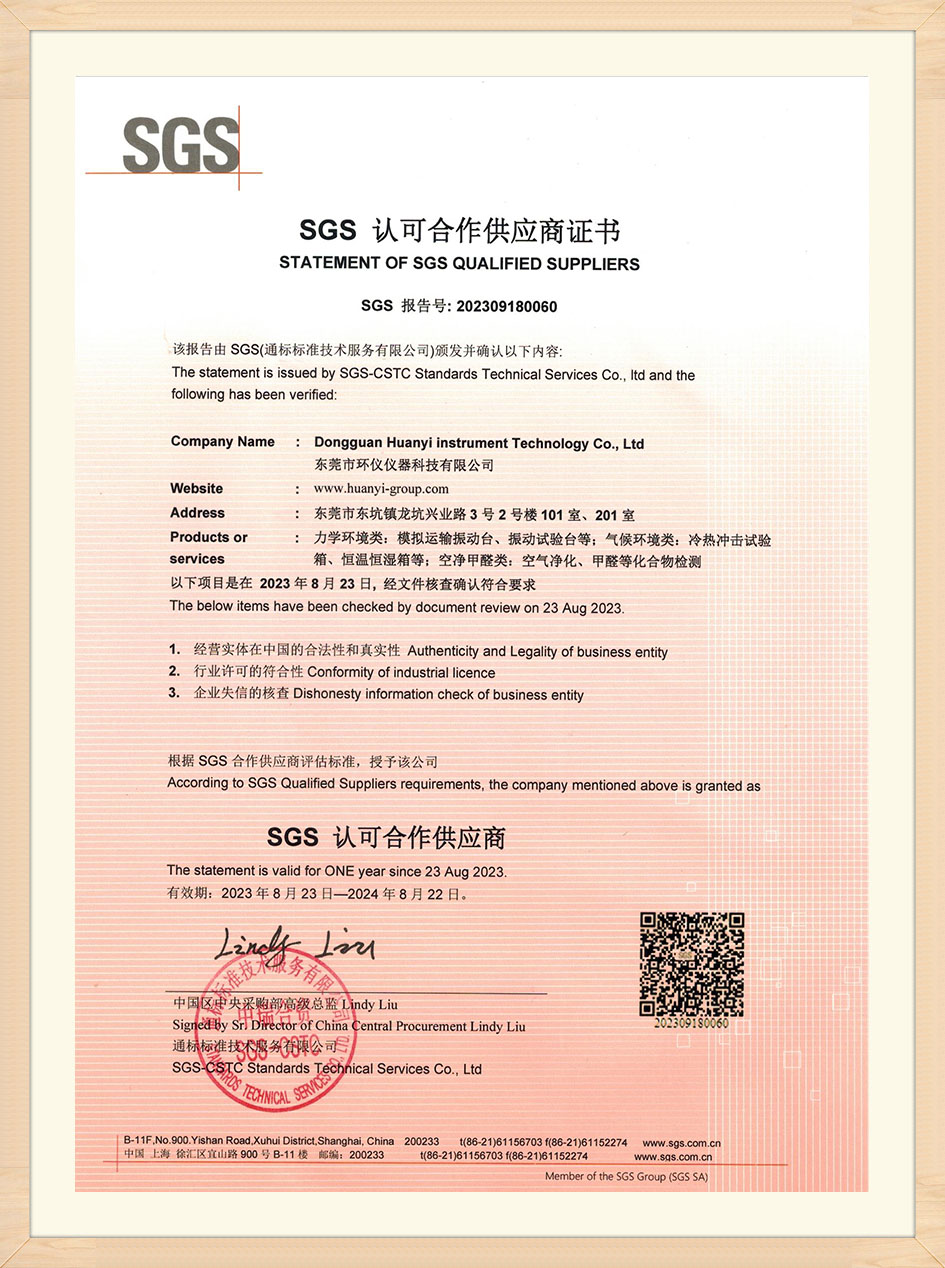
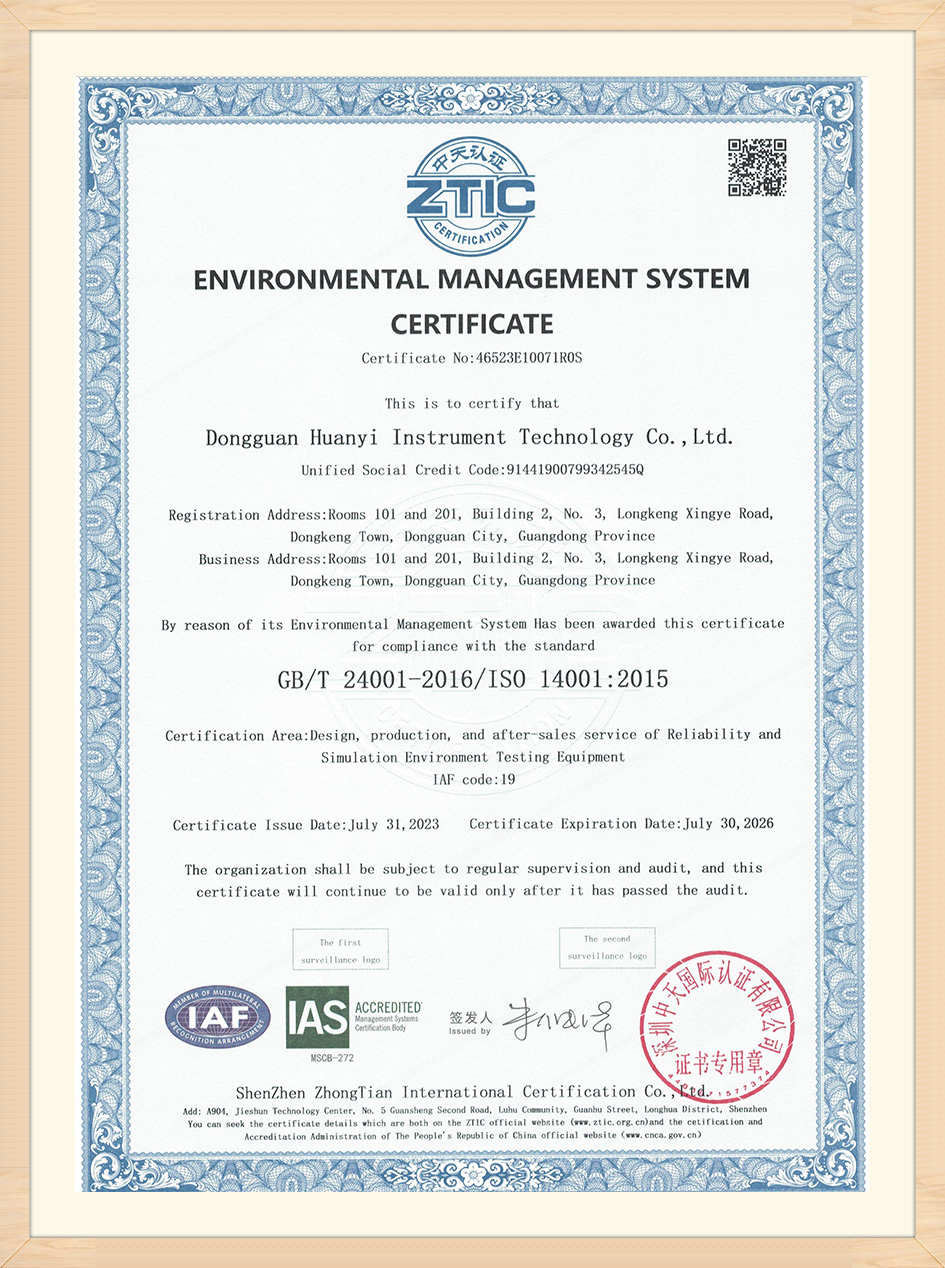
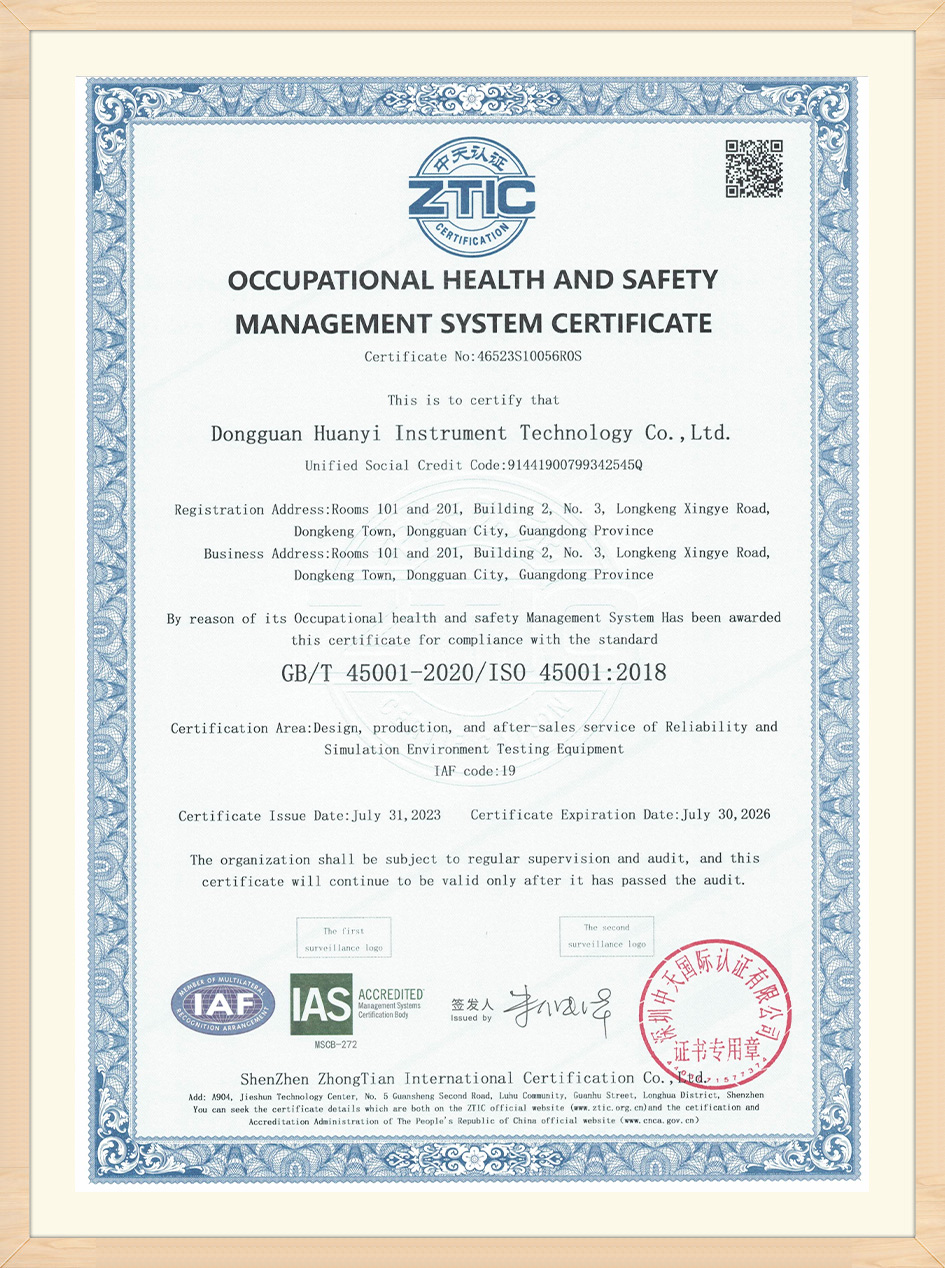
CCT systems are used across multiple industries to simulate atmospheric conditions.
Automobile surfaces face harsh conditions like road salt, rain, and heat. Custom CCT protocols model localized galvanic reactions and rust propagation in painted steel panels and aluminum frame parts, helping manufacturers meet OEM specifications.
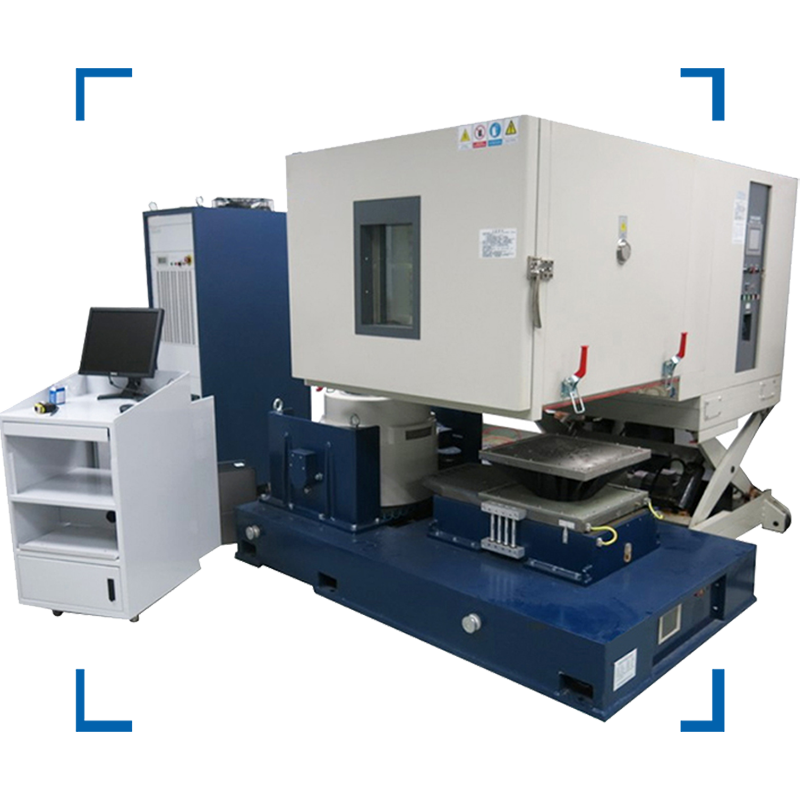
Battery enclosures must maintain tight seals. Sourcing specialized OEM testing equipment allows laboratories to expose battery housings to salt spray, humidity cycles, and mechanical stress, verifying their sealing integrity.
Offshore infrastructure demands reliable components. CCT chambers replicate coastal conditions, allowing manufacturers to test connectors, antenna casings, and outdoor housings to prevent early dielectric breakdown.








Expert answers to common technical queries on Cyclic Corrosion Sourcing.
Learn how Dongguan Huanyi Instruments Technology Co., Ltd. can build custom environmental simulation systems tailored to your specific testing requirements.
Send Sourcing Inquiry Huanyi